Today I'll share some tips on winterizing your yacht. Remember three winters ago when I bought an Azimut 50 Fly yacht but skipped the antifreeze treatment, thinking a few cold days would pass quickly? Then a cold snap froze and burst my yacht's water pipes! Seawater mixed with antifreeze gushed into the cabin, ruining my tens-of-thousands-dollar freshwater system and shorting the electrical circuits. The repairs cost a fortune, and I couldn't sail all spring—I regretted it bitterly!
The US Coast Guard's Accident Statistics report highlights that neglecting winter maintenance is a primary cause of significant vessel damage during the off-season—especially engine and system failures. Seriously, skimping on winterization is throwing money down the drain and risks major disasters! Winter is approaching again soon. If you buy a new yacht, make this your top priority!
Article Topic
Why is winter freeze protection critical for yachts?
Anti-Freeze Measures 1: Thoroughly Clean and Dry the System
Drain all water lines
Drain bilge water
Anti-Freeze Measures 2: Engine Protection
Add “Protective Additives” to Fuel Tanks
Filling the Engine with “Antifreeze”
Anti-Freeze Measures 3: Piping and Tank Protection
Anti-Freeze Measures 4: Protecting Electronic Equipment
Anti-Freeze Measures 5: Reinforcing the Hull Exterior
Form an “eight” pattern
Add “Spring” to the Ropes
Adjusting Tension by Feel
Install Wear-Resistant Sleeves on Ropes
Keep a Lifeline Rope
Critical post-winterization inspection timeline
Summary
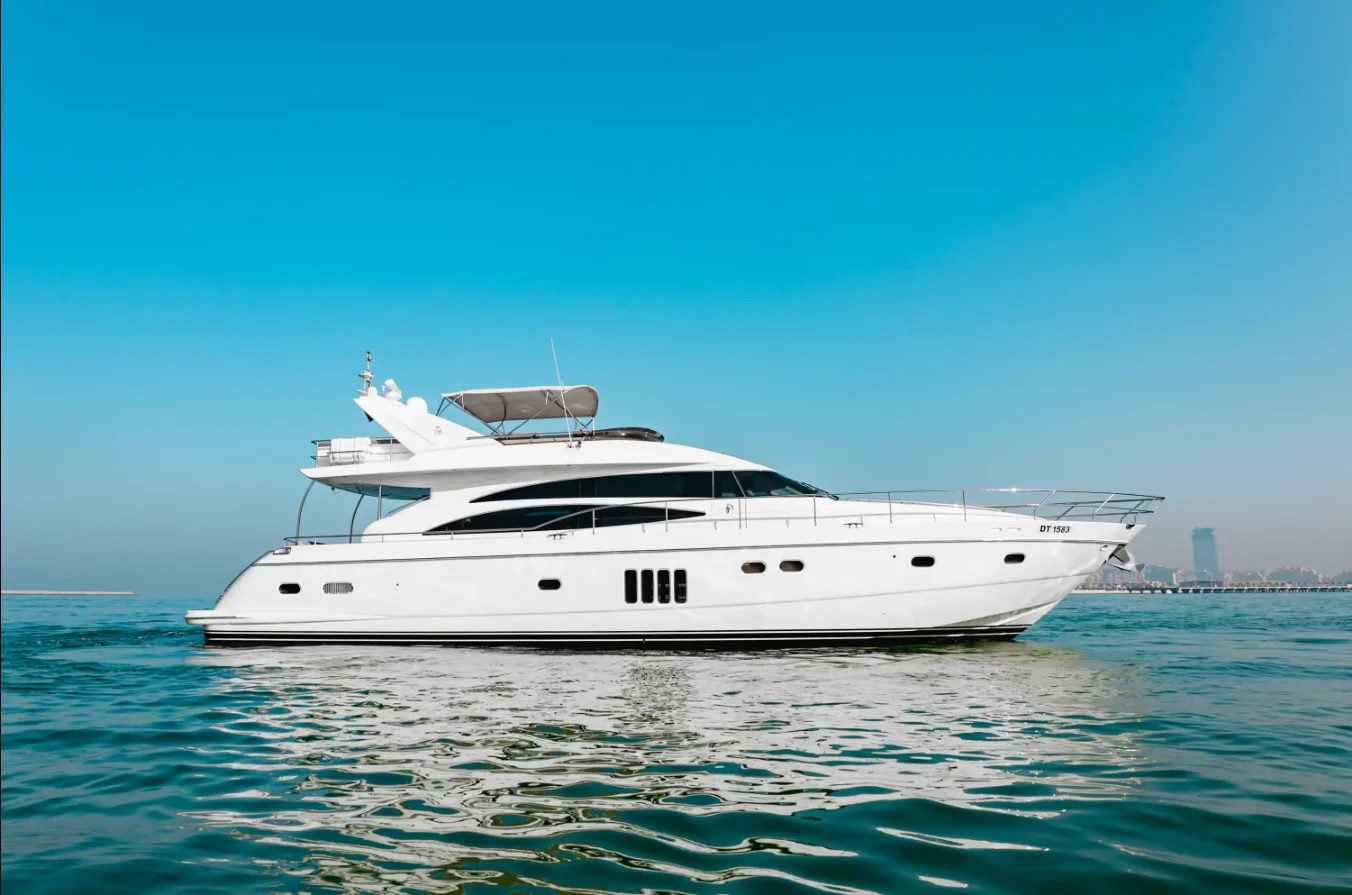
Why is winter freeze protection critical for yachts?
Simply put: Water expands when it freezes! This force is immense, capable of rupturing objects. John McKee, engineering consultant for the NMMA, has explicitly stated: “The expansion pressure generated when water freezes far exceeds the design tolerance limits of most marine piping systems, engine blocks, and hull structures. This is a law of physics that cannot be defied.”
Failing to winterize your yacht risks common disasters: hull fractures, engine failure, or burst pipes and valves. Ice buildup beneath the hull can crack fiberglass hulls, weakening the structure over time.
Based on industry estimates, the average repair cost for an engine block cracked due to lack of freeze protection ranges from $8,000 to $15,000—and that doesn't include secondary damage. This naturally leads to the question: Is skimping on freeze protection cheaper than doing it right?
Repairing freeze damage? Extremely costly! BoatUS By the Numbers 2025 reports that median claims for winter freeze negligence—resulting in systemic water damage (multiple burst pipes + cabin flooding + electrical failures)—reach $20,000, with significant premium hikes the following year. Repairs involve long wait times for parts, and your boat depreciates!
Preventive winterization? Small investment! Buy specialized antifreeze fluid (tens to a couple hundred bucks per barrel), fuel stabilizer (tens of dollars per bottle), and spend a day or two doing it yourself—total cost tops a thousand bucks. Compared to repairs costing tens or even hundreds of thousands, anyone can see which option is smarter! As the industry consensus goes: “Every penny spent on professional winterization yields over tenfold returns in avoided repair costs and preserved boat value.” That's saving big by spending small—and buying peace of mind. What do you think?
Anti-Freeze Measures 1: Thoroughly Clean and Dry the System
Drain all water lines:
- Locate every water outlet on the boat—kitchen faucets, showerheads, toilet flush valves, deck taps, even the ice maker water line in the refrigerator—and open them all to the lowest position.
- Use a dedicated marine water pump (or carefully blow with an air pump, avoiding excessive pressure) to thoroughly drain and dry all freshwater pipes, engine cooling seawater lines, toilet flush pipes, and bilge drains! Blow for an extended period until no water droplets cling to the pipe walls.
- Don't forget to remove and dry the filters from all pipes.
Drain bilge water:
First, use a high-powered bilge pump to remove all visible water.
Then, thoroughly wipe every nook and cranny of the bilge with super-absorbent towels or sponges until the surface feels completely dry to the touch.
Place several desiccant packs (available at supermarkets) in the bilge to absorb residual moisture.
Inspect the bilge drain holes—ensure they remain unblocked!
Anti-Freeze Measures 2: Engine Protection
Add “Protective Additives” to Fuel Tanks
Renowned marine engineer Nigel Calder emphasized: "Modern marine diesel fuel is highly susceptible to biofouling (algae growth) and oxidation. High-quality fuel stabilizers are essential during storage to maintain fuel system cleanliness and ensure smooth spring startups."
How do we proceed? Fill the fuel tank to 95% capacity (allowing space for thermal expansion). Add an alcohol-ether marine fuel stabilizer at the precise product ratio (e.g., Sta-Bil Marine recommends 1 ounce per 10 gallons of fuel). Start the engine and run it at medium speed (1200-1500 RPM) for at least 15 minutes. This allows the stabilizer to circulate fully to the fuel injectors and throughout the entire fuel system, effectively breaking down water and inhibiting gum formation to prevent spring startup difficulties.
Filling the Engine with “Antifreeze”
This is a critical step. Refer to the engine manual to locate all drain plugs or valves (typically found at the engine bottom, near the water pump, or beside the radiator). Unscrew each one to completely drain residual coolant! When draining, it's best to temporarily remove the thermostat that controls water temperature to ensure all water flows out.
Purchase marine-grade antifreeze specifically formulated for boats—verify it is alcohol-free and marine-grade. Never use automotive antifreeze! This fluid acts like “freeze-resistant blood.”
Slowly pour the antifreeze into the engine's fill port until it flows freely from the designated vent or drain hole nearby. This indicates the system is fully filled without air bubbles. For complex systems like radiators, you may need to fill in stages. After completing the process, place a note near the steering wheel: “Antifreeze added. Do not start!” to prevent someone from accidentally starting the engine.
If you want more ways to lower yacht maintenance costs, these 2025 practical tips are worth exploring!
Anti-Freeze Measures 3: Piping and Tank Protection
After securing engine freeze protection, don't forget pipes and tanks require similar safeguards. Here are two key areas: potable water lines and HVAC/washer systems.
How to protect potable water lines?
My go-to solution is non-toxic antifreeze. Note: The U.S. Food and Drug Administration (FDA) classifies food-grade propylene glycol (at regulated concentrations) as a Generally Recognized as Safe (GRAS) substance—the only recommended medium for protecting potable water lines. This non-toxic antifreeze primarily contains food-grade propylene glycol. Some brands label it as “safe for drinking water contact,” so look for this when purchasing.
First, ensure all freshwater lines are completely drained. Then pour the non-toxic antifreeze into the freshwater tank. Activate the water pump to pressurize the system, then open every faucet, showerhead, flush valve, and ice maker connection on board! Continue until the water flowing out matches the antifreeze's color and remains intensely colored without fading. This confirms the antifreeze has filled the entire piping system. Important reminder! Remove water filters from faucets and either fill them with antifreeze or drain and dry them thoroughly.
For washing machines and air conditioners, similarly drain all water before proceeding with the following steps:
- Marine Air Conditioner: Turn off the power! Remove the seawater intake filter. Use an air pump (or purchase a dedicated flushing tool) to blow air into the seawater intake port from outside the hull. Blow out all water from the AC water lines until the exhaust pipe emits a mist, indicating it is dry.
- Washing machine: Press the separate drain button to remove water. Leave the door open to air dry. Disconnect the inlet and outlet hoses, shake out excess water, and hang them to dry. Place a desiccant packet inside the drum.
Anti-Freeze Measures 4: Protecting Electronic Equipment
Consider your vessel's precision navigation instruments, radar, fish finders, and the batteries responsible for starting and powering the system—they're far more delicate than water pipes! Moisture, condensation, and extreme cold are their mortal enemies. Three years ago, my leak incident resulted in a repair bill for short-circuited circuit boards that still stings to recall. Therefore, never skip this step. Follow these steps to implement effective freeze protection:
| Equipment | Antifreeze measures | Specific operations |
| Batteries | Power outage | First, turn off all main power switches on the ship to ensure that the entire ship is completely powered off! This is crucial to prevent short circuits and fires during disassembly, which could damage equipment or even injure people. |
| Cleaning and Inspection | Before removing the battery, use baking soda (baking soda + water) and an old toothbrush to carefully clean the white corrosion on the battery terminals (this is a conductive killer!). Inspect the battery casing for cracks or bulges (this means the battery is dead, so replace it immediately!). | |
| Remember the order of stitch removal | Always remove the negative (-) terminal first, then the positive (+) terminal! When reinstalling, do the opposite: install the positive (+) terminal first, then the negative (-) terminal. Use a wrench to loosen the clamp and remove the cable, being careful not to touch the positive and negative terminals with any metal tools at the same time. | |
| Fully charged and then hibernating | Move the removed battery to a dry, ventilated, and constant-temperature (ideally 5-15°C) indoor location (garage, basement, avoid the boiler room!). The most crucial step: fully charge it using a smart charger! Lead-acid batteries (including AGM and gel batteries) stored in a depleted state will irreversibly sulfate, rendering them useless in the spring. After fully charging, top up the battery every 4-6 weeks using a smart charger (with maintenance/float mode). | |
| Stay away from cold floors | Don't place the battery directly on a concrete floor; low temperatures can exacerbate self-discharge. Use wood or foam board for insulation. Keep the surface clean and dry. | |
| Navigation instruments and other equipment | clean | Use a dedicated electronic device cleaner and a microfiber cloth to thoroughly clean the screen and dashboard surfaces, removing any water stains, fingerprints, and salt. Salt absorbs moisture and makes corrosion more severe! |
| Breathable and waterproof | Choose a breathable, purpose-built marine electronics cover (such as a Sunbrella cover with a breathable membrane). Plastic sheets or garbage bags are a definite no-go! They're completely airtight, and the condensation inside can be more harmful than rainwater, quickly causing your device to mold and short-circuit. | |
| Tightly packaged | Completely cover the device with the cover, ensuring the screen, buttons, ports, and vents (pay attention to the location of the vent cover) are covered. Secure the device with the included straps or rope to prevent it from blowing away. Special attention: Carefully wrap several layers of electrical tape or self-adhesive waterproof tape around exposed antenna ports and cable connectors. | |
| Add desiccant | You can put a small packet of silica gel desiccant inside the cover (not in direct contact with the device) to help absorb moisture. The small packets of snacks you buy in the supermarket are very useful. |
Anti-Freeze Measures 5: Reinforcing the Hull Exterior
Winter winds at the dock can make your boat bounce around like it's dancing! The key to wind and frost protection is securing your mooring lines properly. Master these five points:
Form an “eight” pattern
Check your mooring lines—do they form a figure-eight pattern? (One line on the port side of the bow, one on the starboard side, each tied to a different shore piling; same for the stern.) Never tie them parallel! This figure-eight configuration withstands strong winds and rough waves far better than parallel lines. Ensure sufficient ropes—small boats require at least four (one on each side of the bow, one on each side of the stern). Larger vessels? Add more for stability!
Add “Spring” to the Ropes
Attach a section of high-quality nylon rope (at least 1 meter long) or specialized rubber fender to the middle section of each main mooring line. Why? Nylon rope acts like a rubber band, stretching significantly (up to 15%-30%!). When strong winds and waves push the boat, it absorbs that force, protecting your hull and the shore's metal posts from being ripped apart. Remember: Never use pure polyester rope or steel wire rope as the main mooring line. They're too rigid and lack elasticity—a sudden tug can easily cause trouble!
Adjusting Tension by Feel
The rope shouldn't be too loose, or your boat will drift aimlessly and bump into neighbors. Nor should it be stretched tight as a guitar string, risking snap during strong winds or tidal shifts! What's the ideal tension? “Moderately taut” is spot-on!
Here's a handy trick: Press down firmly on the rope's midpoint as if pushing a sofa cushion. If it depresses about a hand's width (10-15 cm), that's perfect tension! Remember: Winter weather shifts unpredictably (heavy snow, sudden drops in temperature), causing ropes to loosen or tighten on their own. Especially after strong winds or heavy snow, always head to the dock to recheck and readjust!
Install Wear-Resistant Sleeves on Ropes
Carefully inspect all areas where ropes rub against surfaces: the metal rings (fairleads) on the hull where ropes pass through, and the edges and corners of the gunwales. These spots are prone to wear and tear that can cause the rope to snap! Additionally, you need to install or replace wear-resistant sleeves (thick protective covers or anti-abrasion pads for the rope) at these friction points. Secure them tightly so they don't shift! Don't skimp on this expense.
Keep a Lifeline Rope
Always! Always keep at least one spare rope on board that is as thick and strong as your main lines—within easy reach (never locked in the hold!). Should a main line break from wind or abrasion (common in winter!), you can immediately grab the spare and replace it, preventing the boat from drifting and sustaining damage. This is your lifeline for protecting the vessel!
Critical post-winterization inspection timeline
Per US Coast Guard Safety Alerts, owners must complete drainage system clearing and mooring line reinforcement checks within 24 hours after a blizzard. This means within 24 hours of heavy snow/hail, you must board promptly to execute three tasks:
- Emergency Drainage: Clear snow and ice clogs from deck drains and gutters to ensure unobstructed drainage;
- Rope Re-inspection: Check for wear, abnormal tension, and detached friction sleeves;
- External Inspection: Walk around the vessel to examine hull for ice accumulation damaging paintwork and verify hatch seals remain intact.
Spring Thaw Period (when temperatures rise above 0°C): This is peak season for hidden leaks! Internally, closely monitor bilge water sensors. Use flashlights to inspect engine rooms, equipment cabinets, pipe joints, and porthole corners for new water stains, rust marks, or abnormal condensation. Externally, meticulously inspect areas near the waterline and deck seams for new cracks caused by freeze expansion or coating delamination.
Summary
Recognize this: Winter's test on your yacht is brutal and real—the expansion force of freezing water can rupture sturdy pipes, destroy precision engines, and even threaten the hull structure itself. Neglecting winter freeze protection is tantamount to inviting disaster aboard, with consequences far exceeding imagination.
If you're a new owner who recently bought a yacht, remember this: Every penny spent on professional winterization is an irreplaceable “insurance policy” against potential catastrophic losses. Winter is approaching—don't gamble with your yacht's safety. Take action now to ensure it hibernates securely, ready to set sail again next season!
Riley Miller
Riley Miller is the owner of the “Serendipity” yacht, a contributing columnist for “Yachting Monthly,” and has published 17 in-depth analyses on yacht cost management. He also serves as an advisory committee member for the European Second-Hand Yacht Association (ESYA) and holds the International Yachting Certificate ICC-UK-2019C-17429, with certified cruising areas covering the Mediterranean and the western coast of the Atlantic.
Disclaimer
Non-Professional Advice: The content herein is compiled based on the author's personal experience and publicly available information. It is provided for reference and educational purposes only and does not constitute professional advice regarding vessel maintenance, engineering, or legal matters. Yachts vary significantly in construction, systems, brands, models, and local environmental conditions.
Seek Professional Guidance: It is strongly recommended that you carefully review and strictly adhere to the official user manual and winterization guidelines provided by your yacht manufacturer before performing any winterization procedures. For complex systems (particularly engines, generators, fuel systems, intricate piping, and electrical systems), it is strongly advised to engage a qualified professional marine technician for inspection, maintenance, and antifreeze treatment. Professionals possess the necessary knowledge, tools, and experience to ensure safe, thorough operations that meet specific vessel requirements.
Operational Risk Assumption: Any actions taken based on the information in this article are undertaken at the operator's sole risk. The author and publishing platform assume no liability for damage to the yacht, property loss, personal injury, environmental harm, or any other direct or indirect consequences arising from reliance on this information, misinterpretation, improper operation, negligence, equipment failure, or any other cause.
Product Usage: Specific products mentioned (e.g., fuel stabilizers, antifreeze brands) are provided for illustrative purposes only and do not constitute endorsement or recommendation. Users must independently select products compliant with their yacht's system requirements (particularly requiring food-grade antifreeze for potable water systems), local regulations, and environmental standards. Strictly adhere to the usage instructions and Safety Data Sheets (SDS) of the selected products. Misuse (e.g., using non-marine or non-food-grade antifreeze) may result in severe consequences.
Individual Variations and Environment: The effectiveness of winterization measures is significantly influenced by specific yacht conditions, mooring location (water/land), and local winter climate extremes (temperature, wind speed, snowfall/icing levels). Checkpoint timelines mentioned (e.g., 24 hours after a snowstorm) serve as general references. Actual implementation should be flexibly adjusted based on real-time weather alerts and on-site conditions, prioritizing safety above all.
Information Timeliness: Vessel technology, maintenance standards, and product formulations may evolve over time. This document reflects knowledge current at the time of writing. Users bear responsibility for obtaining and adhering to the latest official information applicable to their specific vessel.