Over the past eight years in the yacht brokerage industry, I’ve witnessed countless choices made by yacht owners. Some fall in love with the elegant lines of a cruiser, while others decisively choose an expedition yacht—extending their journeys to the polar regions and remote islands, collecting irreplaceable memories along the way.
Today, expedition yachts are no longer just shimmering ornaments at the marina. They are built to face extreme conditions, remain self-sufficient for weeks without docking, and take you to those blank spaces on the map.
Some nights, I still think back to that voyage across the Pacific. We had chosen an expedition yacht purpose-built for long-range navigation. The sense of security and confidence it gave us allowed us to venture into waters far beyond familiar shipping routes. That experience convinced me that for true adventurers, an expedition yacht is the key to a wider, more fulfilling sailing life.
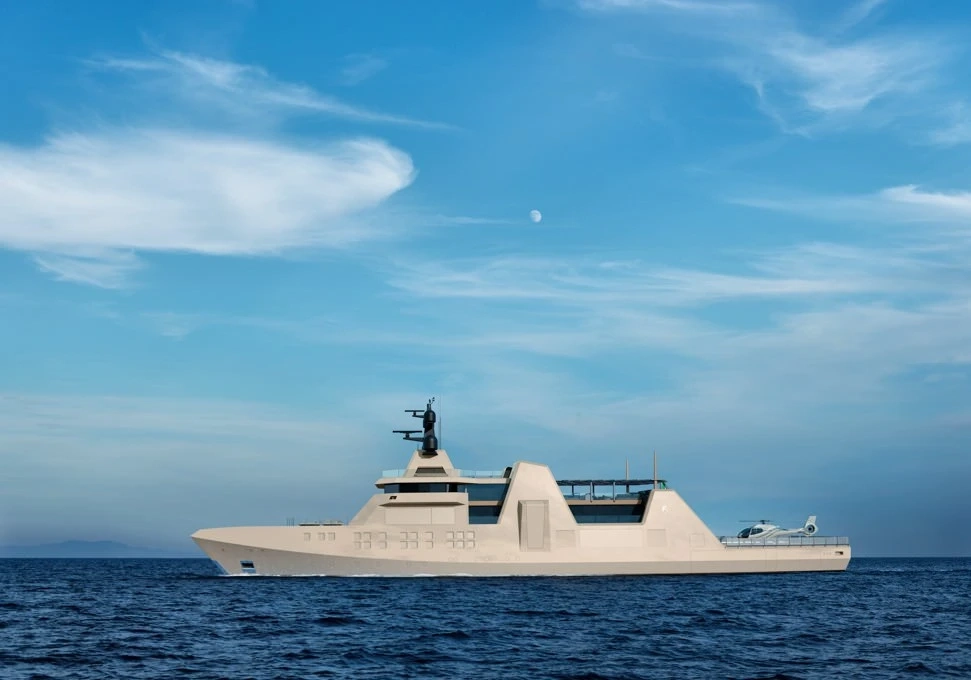
In the following sections, drawing from my experience as both a broker and a sailor, I’ll share ten reasons why owning an expedition yacht in 2025 might be one of the smartest—and most thrilling—decisions of your boating life. If you’re just getting started, I recommend reading The Must-Read Guide for Beginner Yacht Buyers in 2025, which can save you a lot of time wandering around the docks.
Table of Contents
- Engineered for Extreme Environments
- Unmatched All-Sea Performance
- Advanced Technology for Total Control
- Redundant Systems for Absolute Peace of Mind
- Fuel Efficiency and Long-Range Capability
- Advanced Navigation and Automation
- Optimized Storage and Waste Management
- Polar Exploration and Global Cruising Capability
- Remote Island Exploration and True Autonomy
- A Front-Row Seat to Earth’s Most Breathtaking Landscapes
1.Engineered for Extreme Environments
When I first studied modern expedition yachts in depth, I was astonished by the design details made for extreme environments. Expedition yachts in 2025 are no longer just “seaworthy”—they are structurally ready to face almost any challenge. Their hulls are typically built from high-strength composite materials or carbon fiber–reinforced epoxy, ensuring both lightweight construction and impact resistance. This is essential on long voyages: in rough seas, you don’t want to worry about hull cracks or deformation.
Deck Design & Safety:
-
Wide side decks for unrestricted crew movement
-
Full non-slip surfaces to minimize the risk of slipping
-
Strong handrails that provide reliable support even in heavy weather
-
Self-draining decks that quickly clear rainwater or waves
Interior Layout & Comfort:
-
Thoughtfully planned interior flow for smooth operations
-
Smart space utilization for comfort during long passages
These details don’t just affect safety—they directly influence voyage efficiency, especially in remote waters.
According to the International Maritime Organization International Code for Ships Operating in Polar Waters, any vessel intending to enter polar regions must meet strict requirements for ice-strengthened hulls, cold-resistant materials, and polar stability design. These are not optional—they’re legally mandated.
Modern expedition yachts optimize hull and ballast design to enhance stability and reduce the risk of capsizing, even in severe storms. For me, these built-in design considerations make it easy to confidently recommend them to buyers: the vessel’s structural strength and stability define not only safety but also peace of mind offshore.
2.Unmatched All-Sea Performance
If, like me, you care about practical performance when buying a yacht, its ability to handle different sea states is crucial. These yachts aren’t just fast—they’re stable and reliable. Low-resistance hulls and sharp bows cut through waves efficiently, reducing drag and stress on propulsion systems.
Advanced ballast systems and twin rudders minimize roll and improve responsiveness. A stable yacht means less fatigue, less seasickness, and more enjoyable long passages. I often stress this with clients: performance isn’t just numbers—it’s the difference between an inspiring adventure and an exhausting ordeal.
3.Advanced Technology for Total Control
Technology is at the heart of modern expedition yachting. By 2025, most expedition yachts come standard with integrated monitoring systems that display engine status, sail trim, hull stress, energy consumption, and navigation data in real time.
Redundant modular electrical systems, lithium battery storage, solar panels, wind turbines, and efficient generators allow for extended self-sufficiency. Variable-pitch propellers and hybrid propulsion ensure precise handling in both shallow and rough waters.
Integrated AIS, radar, satellite communication, and autopilot systems mean that even in polar regions or remote seas, navigation remains precise and reliable. This level of integration not only enhances safety but also allows crews to focus on the journey—not the equipment.
4.Redundant Systems for Absolute Peace of Mind
Modern expedition yachts are typically equipped with twin engines, dual generators, backup pumps, independent communication systems, and emergency power reserves. This means that even if the primary systems fail, you can still safely reach the next port or shelter. I personally experienced an engine failure during a return voyage in the Caribbean. Fortunately, the vessel's redundant systems allowed us to seamlessly switch to backup equipment, ensuring our safe arrival. This experience reinforced my conviction: the value of backup systems extends beyond statistical safety margins—it delivers genuine peace of mind at sea.
Dual Safeguards for Navigation and Communication
Beyond propulsion, critical navigation and communication equipment also features redundant backups: spare GPS, AIS, radar, satellite phones, and more. This comprehensive approach minimizes the risk of communication failure or disorientation.
Provisions and Survival Capability
In terms of supplies, vessels typically carry extra fuel, fresh water, and consumables, enabling crews to sustain themselves autonomously for weeks in remote waters. Based on my analysis of clients' long-distance voyage requirements, ships with comprehensive backup systems exhibit significantly lower accident rates than those lacking redundancy.
The True Value of Redundancy Systems
The value of these systems extends beyond emergency functionality to provide psychological reassurance. Expedition voyages inherently involve uncertainty, and multiple safeguards empower you to confidently explore more remote areas without constant anxiety over equipment failure risks. Consequently, redundancy systems remain a core consideration in my recommendations for expedition yachts.
5.Fuel Efficiency and Long-Range Capability
In the design of expedition yachts, fuel efficiency is paramount. When evaluating vessels, buyers should not focus solely on speed but also consider range and fuel consumption to determine a yacht's suitability for long voyages. Moreover, many modern expedition yachts achieve “longer range with lower consumption” through optimized hull design, propulsion systems, and hybrid power solutions. Hybrid systems integrate diesel engines with electric propulsion units:
• During light-wind cruising, electric propulsion significantly reduces fuel consumption.
• In high winds or emergencies, switching to diesel engines maintains speed while ensuring safety.
This flexible switching makes long voyages both economical and eco-friendly.
An efficient fuel system and extended range capability do more than just cut costs—they directly determine how far you can go. This means exploring more remote islands or even embarking on circumnavigations without frequent stops at supply ports. This sense of freedom captures the true spirit of exploration—setting sail at your own pace, unbound by fuel limits or resupply constraints.
6.Advanced Navigation and Automation
The navigation systems on modern expedition yachts have far surpassed traditional electronic charts. I've observed that many new yachts in 2025 are equipped with AIS, radar, satellite communications, and autopilot systems, meaning long-distance voyages no longer rely entirely on manual operation. By integrating wind sensors, GPS, and heading control, autopilot systems can automatically adjust sail trim and rudder angle during extended voyages, significantly reducing crew workload.
Prioritize navigation systems with redundant design and upgradeability. During extended voyages, reliable navigation translates to safety, efficiency, and peace of mind. Particularly in high-latitude or remote waters, advanced navigation empowers crews to promptly assess weather conditions and adjust course, preventing unforeseen incidents. For me, this is the defining distinction between expedition yachts and conventional vessels—it makes sailing more scientific and controllable while freeing up more time to savor the ocean's beauty.
7.Optimized Storage and Waste Management
Storage capacity and waste management have always been the most overlooked yet critical aspects of remote expedition voyages. I frequently observe clients prioritizing comfort and speed when purchasing yachts, while neglecting the essential provisions and waste disposal systems required for extended voyages. Adventure yachts elevate this aspect to the highest level in their design. Furthermore, DNV, one of the world's leading classification societies, stipulates in the MARITIME Polar Code that oil discharges are prohibited in polar waters, while imposing stricter restrictions on sewage and garbage discharge. This necessitates yachts possessing highly efficient waste treatment and storage capabilities.
Storage System Design and Advantages
Modern expedition yachts typically feature large-capacity water and fuel tanks, with some employing dual-tank designs to ensure redundancy and safety. Storage compartments are strategically laid out to accommodate food, fresh water, fuel, and spare parts while enabling crew to locate items quickly. Refrigerators, freezers, and dry goods storage are clearly zoned, enabling organized food management during extended voyages.
The Critical Role of Waste Management
For waste disposal, modern expedition yachts feature sewage treatment systems, garbage compactors, and eco-friendly storage facilities. Even far from port, these systems maintain onboard cleanliness and environmental compliance, enhancing crew quality of life. From my observations, vessels with efficient waste management systems experience significantly reduced crew stress—free from constant worries about waste buildup or sewage issues, allowing greater focus on navigation and exploration.
Optimizing storage and waste management isn't just about convenience—it's a safety assurance. Adequate supplies ensure operations remain functional during severe weather, delays, or unexpected incidents. This is especially critical for circumnavigations or expeditions to remote islands. Therefore, when analyzing clients' long-distance sailing needs, I always emphasize: storage capacity and waste management systems directly determine voyage sustainability and expedition comfort.
8.Polar Exploration and Global Cruising Capability
Today's expedition yachts are no longer confined to coastal voyages; they are fully capable of high-latitude exploration and even circumnavigating the globe. I often tell clients that high-latitude sailing entails complex weather systems, harsh sea conditions, and extreme temperatures—challenges only specially designed expedition yachts can handle. Features like hull insulation, cold-resistant materials, ice-resistant structures, and reinforced decks are indispensable.
Adaptability Across Diverse Climates
A circumnavigation typically traverses tropical, temperate, and even polar regions, each presenting distinct maritime conditions. Modern expedition yachts are usually equipped with multi-zone air conditioning and heating systems, ensuring crew comfort whether navigating equatorial heat or polar cold. Simultaneously, when planning circumnavigations for clients, I place particular emphasis on fuel efficiency, power redundancy, and system reliability—factors that directly determine the voyage's successful completion.
Comfort and Safety During Extended Voyages
Beyond technical performance, modern expedition yachts prioritize crew well-being during prolonged isolation. Thoughtful interior layouts segregate rest areas, galleys, and operational zones, maintaining a rhythm between work and life. Automated navigation systems and advanced communication equipment ensure crews can access the latest weather and navigation data while maintaining contact with the outside world, even in remote, uninhabited waters.
I recall sailing off Greenland's coast when deck temperatures approached minus ten degrees Celsius, yet the cabin remained warm. That stark contrast made me realize only vessels truly engineered for extreme environments deserve the title “explorer.” Choosing a yacht capable of circumnavigating the globe isn't just about safety—it's a commitment to nautical freedom. It means exploring the world's most remote seas without worrying whether your vessel can handle the conditions. For owners who truly love the ocean and adventure, such capability is undoubtedly priceless.
9.Remote Island Exploration and True Autonomy
One of the greatest appeals of expedition yachts is the ability to reach places ordinary yachts can’t. Shallow-draft designs and lifting keels allow access to coral reefs, lagoons, and hidden anchorages.
Strong onboard power, water systems, and waste management make it possible to live well in the wilderness. Hybrid propulsion, redundant navigation, and large reserves allow for full autonomy for weeks or even months.
According to United States Coast Guard reports, around 70% of boating fatalities occur on vessels operated by individuals without boating safety training. Personal watercraft, private motorboats, and cabin motorboats are the most commonly involved. This underscores an important truth: no matter how advanced the yacht, proper training and safe operation remain the foundation of any successful expedition.
10.A Front-Row Seat to Earth’s Most Breathtaking Landscapes
The ultimate reason to buy an expedition yacht is simple: it gives you front-row access to the most spectacular, untouched places on Earth—glaciers in Antarctica, icebergs in the Arctic, deserted Pacific atolls, tropical reefs, and hidden sandbanks.
With long-range capability and advanced navigation, you can chart your own course, not follow someone else’s route. This freedom is what excites me most whenever I plan a new voyage.
And if you’re still deciding, don’t miss reading The 6 Most Regrettable Impulse Choices Made by Yacht Buyers—it might save you from costly mistakes.
Final Thoughts
Expedition yachts have long outgrown their role as “marina decorations.” They are vessels built to face the unknown—with reinforced hulls for polar ice, long-range tanks for ocean crossings, and advanced navigation and energy systems that allow owners to thrive in the most remote anchorages.
The real magic isn’t in turning heads at the dock. It’s in standing on deck one morning, hundreds of miles offshore, gazing at an untouched horizon—and knowing this is what setting out truly means.
Author
Lena Corby is a freelance writer and senior yacht broker with over eight years of industry experience, specializing in yacht selection, configuration, and market analysis. She is a contributor to Saltwater Sportsman and Boat International, with more than 20 published articles on yacht outfitting and offshore cruising strategies. She serves on the Advisory Board of the Asia Yacht Brokers Association and holds an ICC certification (ICC-SG-2018C-09217) covering Southeast Asia, the Caribbean, and the Pacific.
Disclaimer
This article is for general information only and does not constitute legal, investment, or safety advice. Yacht performance, design, and regulatory requirements vary by model, manufacturer, and region. Sailing involves unpredictable risks, including extreme weather, equipment failure, and medical emergencies. Always consult qualified professionals before purchasing a yacht or planning an offshore voyage.