I still vividly remember how exhilarated I was as a novice when signing the contract—a sleek 27-foot hull that looked like a star straight out of a poster, a powerful engine touted to slice through waves like a rocket, perfectly matching every fantasy I had about life at sea. Blinded by this excitement, I signed the contract after a cursory glance, skipping the independent third-party inspection my friend strongly recommended. I reasoned that since it was a new yacht, there couldn't be any major issues. The result? During my maiden voyage, eerie white smoke billowed from the engine compartment, instantly filling the air with a pungent, acrid smell—a potent mix of scorched metal and burning oil. After a humiliating return to port, the mechanic's diagnosis felt like a bucket of ice water dumped over me: critical cooling system pipes had been installed with stress distortions at the factory, leading to catastrophic leaks after long-distance transport.
Buying a yacht should mark the beginning of a dream voyage, yet it often becomes the start of a list of regrets. Like many newcomers, I once let impulse override crucial considerations like budget, purpose, and hull inspection—falling into common pitfalls. Drawing from my experience, this article dissects the 6 most frequent impulse decisions made by beginners and offers a 3-step practical guide to avoid these traps, empowering you to make a more informed choice when purchasing your first yacht.
Topics of this article
Focusing solely on looks and speed while ignoring practicality and size
Underestimating Total Ownership Costs
Blind pursuit of “one-step solutions”
Neglecting personal experience
Skipping Professional Surveys and Resale Considerations
Neglecting Mooring Challenges Leads to “No Place for Your Yacht”
Yacht Buying Rule: 3 Steps to Avoid All Regrets
Step 1: Back-Calculate Your Budget from Costs
Step 2: Mandatory Decision Cooling-Off Checklist
Step 3: Reduce Information Gaps
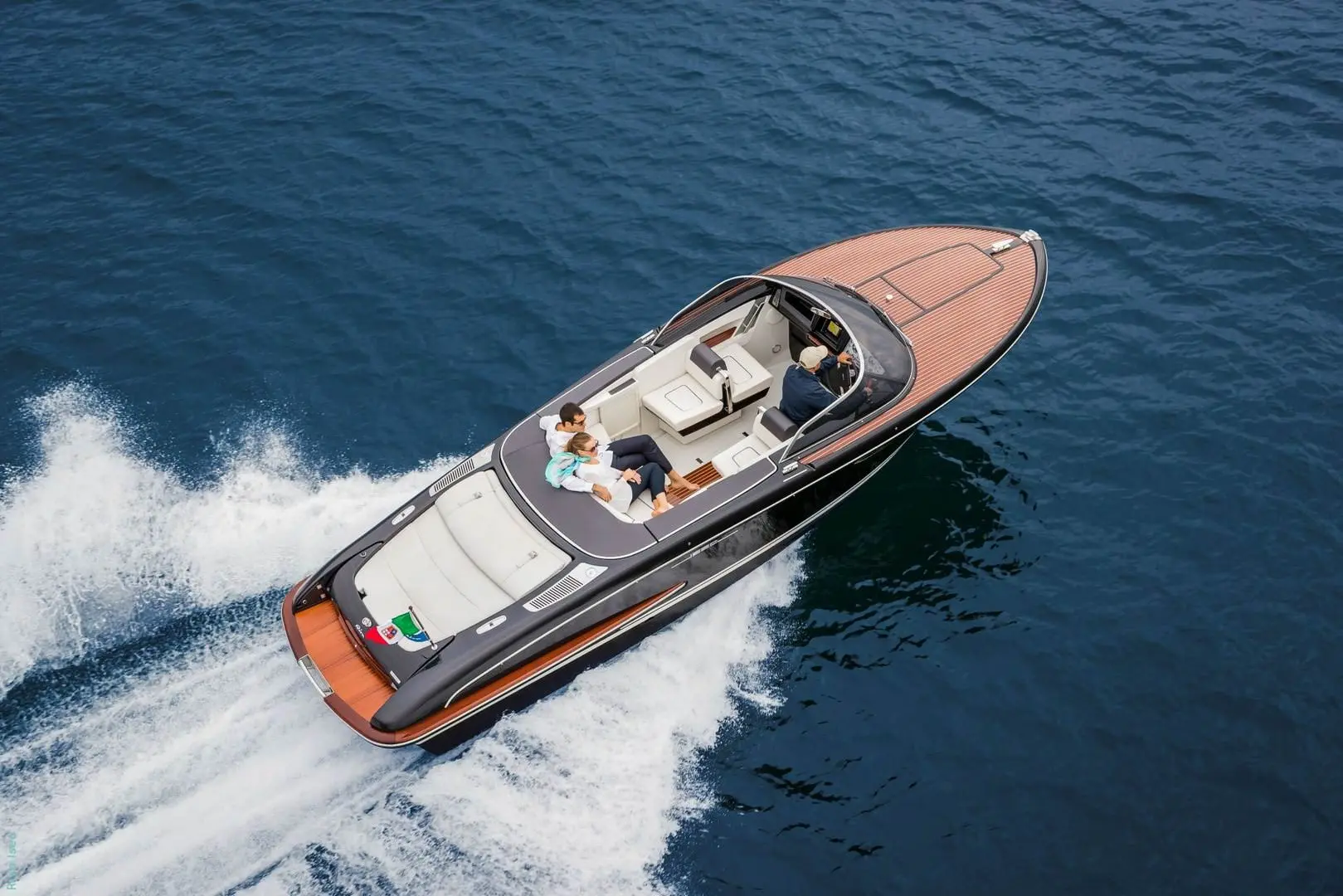
Focusing solely on looks and speed while ignoring practicality and size
Beginners are most easily captivated by a yacht's sleek design, streamlined hull, or the astonishing speeds touted in brochures—completely overlooking whether the vessel suits their actual boating lifestyle. When buying a yacht, you absolutely must avoid this mistake!
Take a racing yacht designed for speed, for instance. Its cramped cabin, rigid seats, and high-speed turbulence may clash with your vision of family weekend cruising. Similarly, maneuvering a massive flybridge yacht in crowded marinas or narrow waterways could far exceed a novice's skill level.
So how do you avoid these pitfalls rationally?
It's simple: first ask yourself what you're passionate about—deep-sea fishing, coastal family cruising, hosting friends for sea parties, or the thrill of speed and adrenaline? Different purposes point to entirely different boat types (fishing boats, cruisers, sports boats, sailboats, etc.).
Beyond that, remember: bigger isn't always better! The 2023 Recreational Boating Statistics starkly states: “For every additional foot of hull length, hidden costs and operational risks increase non-linearly.” This is no exaggeration! When considering size, you must weigh these three factors:
- Regular passenger count: Ensure ample, comfortable passenger space and safety equipment.
- Mooring and operating environment: Does the water depth, berth space, and channel width at your frequent marinas suit this vessel size? Larger boats generally involve significantly higher operational difficulty and costs.
- Trailer storage feasibility: If permanent mooring is unaffordable, trailer storage becomes a crucial option for medium-to-small boats.
Underestimating Total Ownership Costs
According to the Global Wealth Report 2025, the total ownership cost of a yacht over five years is approximately 1.8 times the purchase price. However, equating the purchase price with the total cost of yacht ownership is the most common and costly misconception among newcomers. These figures reveal that the purchase price represents merely the tip of the iceberg in your long-term financial commitment, with substantial ongoing ownership costs hidden beneath the surface. Overlooking this reality can lead to severe financial strain, potentially forcing a rapid, loss-making sale.
Therefore, when planning to purchase a yacht, your budget must include mandatory expenditures for the first year and subsequent years:
- Berth/Lifting Fees: The largest fixed expense! Prices vary significantly across regions, marinas, and berth sizes.
- Insurance Premiums: Mandatory and critical. Rates depend on vessel value, age, model, usage, sailing area, deductible settings, and insurer. For further insight, consult the 2025 Used Yacht Insurance Guide.
- Maintenance Reserve Fund: Setting aside 10%-15% of the vessel's value annually is a relatively safe baseline. Older vessels require a higher percentage. This covers routine maintenance (engine oil/water changes, hull antifouling, system tune-ups) and unexpected repairs.
- Fuel Costs: Consumption far exceeds that of a family car. For powerboats, the more frequently you use it and the faster you go, the more this expense becomes a bottomless pit—keep a close eye on your wallet.
- Storage Fees: In non-year-round use areas, winter dry storage ashore or in-dock fees, plus antifreeze treatment costs, are fixed expenses.
As a seasoned captain, I recommend that your boat price ≤ 60% of your total available purchase funds. The remaining 40% must strictly cover all estimated first-year ownership costs (berthing, insurance, basic maintenance, basic fuel). Additionally, I strongly advise setting aside 10%-15% of the boat price as an emergency repair reserve fund—this is a golden budgeting rule, extremely practical! Of course, over the long term, you can also learn methods to reduce yacht maintenance costs.
Blind pursuit of “one-step solutions”
I've seen too many cases where, driven by the mindset of “buying a quality boat to last years” or “if money is no object, get the best,” newcomers tend to purchase top-of-the-line luxury yachts that exceed their current practical needs and technical capabilities!
These high-end features not only carry steep upfront costs but also present unexpected challenges in maintenance—requiring specialized expertise and incurring costly upkeep that often catches beginners off guard. If you're considering a large yacht, first ask yourself: Can you truly shoulder this heavy burden?
If I were choosing a yacht as a beginner, I'd focus on these three principles:
The novice phase is a crucial period for learning and trial-and-error. My first principle is to select an entry-level or mature pre-owned model in good condition, featuring relatively simple and reliable systems, and easy maintenance.
Second, prioritize ensuring engine reliability, hull integrity, and the completeness and proper functioning of essential navigation safety equipment (such as GPS, chart plotter, VHF radio, and safety/lifesaving gear). Entertainment and comfort features can be appropriately scaled back.
However, as your boating experience and skills grow, you'll gain clearer insight into your true needs. Therefore, selecting a boat with upgrade potential and gradually adding essential equipment as needed is wiser and more economical than buying everything at once. What do you think?
Neglecting personal experience
Would you rush to place an order without personally experiencing the boat, swayed by polished ads, tempting prices, or enthusiastic sales pitches? This is one reason many newcomers regret their yacht purchases!
Remember, pictures and specs can't replace hands-on experience. Only through a test sail can you truly evaluate the vessel's spatial layout, driving visibility, handling feel, sailing stability, noise levels, and equipment usability. Just like buying a car—beyond viewing it, a test drive is essential. Only through firsthand experience can you determine if it suits you.
But a test sail is far more than a leisurely cruise; it's a golden opportunity for a comprehensive evaluation. Insist on and diligently execute the following checklist:
| Action Items | Purpose of sea trial |
| Simulate real driving scenarios | Test the maneuverability at different speeds (especially low-speed approaching and leaving the dock, and turning in narrow waters). |
| Experience acceleration, braking (reversing) response | Feel the weight and precision of the rudder. |
| Space and comfort assessment | Every family member (especially frequent users) must sit in their usual position (driving seat, leisure seat, dining area, bedroom) to assess whether there is ample headroom and legroom and how comfortable the seat is. |
| Is the passageway smooth? Are there any sharp protrusions that could easily cause bumps? | |
| Is the cabin well-ventilated and well-lit? Is there any odor? | |
| Practical testing of key equipment | Operate the windlass yourself (electric/manual) and assess its strength, speed and ease. |
| Test the steering gear, elevator (if applicable), winch and other mechanical devices. | |
| Try out navigation equipment, radios and other electronic systems. | |
| Sailing performance and comfort | Feel the stability of the hull, the degree of turbulence, and the feeling of breaking waves under different sea conditions (try to choose a slightly windy and choppy weather for sea trials if possible). |
| Are engine noise and vibration within acceptable limits? How effective is the cabin sound insulation? | |
| Observe the drainage conditions and tilt angle of the ship while sailing. |
Skipping Professional Surveys and Resale Considerations
When buying a pre-owned yacht (especially in private transactions), skipping an independent third-party professional survey to save a few thousand yuan in survey fees—or due to seller pressure or fear of deal collapse—is an extremely short-sighted and high-risk move, as I've repeatedly emphasized in past articles.
Skipping a professional survey is like gambling blindfolded! According to the IUMI Stats Report 2024: Claims frequency for yachts purchased WITHOUT a certified survey report: 32.7 claims per 1,000 yacht-years; Claims frequency for yachts purchased WITH a certified survey report: 9.1 claims per 1,000 yacht-years; This represents a risk reduction of 72.2%. The most significant declines were observed in machinery damage (-76%) and hull structural failures (-71%)." Simply put, professional surveys significantly lower major failure claim rates for pre-owned yachts. After all, claims inevitably lead to higher insurance premiums the following year!
After all, yachts feature complex structures where potential issues—such as hull damage, hidden engine defects, aging electrical systems, water leakage risks, and compliance problems—often remain concealed. These flaws are virtually impossible for non-professionals to detect with the naked eye. Should they surface after delivery, repair costs can easily reach tens of thousands or even hundreds of thousands, far exceeding the yacht's purchase price.
Had I hired a professional inspector during my novice phase, I could have avoided much unnecessary trouble. Regrets abound!
Neglecting Mooring Challenges Leads to “No Place for Your Yacht”
In my previous article, I discussed essential berthing strategies for new yacht buyers. Many novices, caught up in the excitement of purchasing a yacht, naively assume “a place to dock will naturally follow.” They only begin searching for a berth right before or even after delivery, only to face a bolt from the blue: desirable, convenient marina spots are already fully booked, with lengthy waiting lists. Ultimately, they're forced to settle for remote, expensive, poorly equipped, or insecure temporary berths. This not only significantly increases transportation and time costs for each outing but also severely dampens enthusiasm and usage frequency, quickly turning the costly investment into a “dock ornament.”
Securing a berth is the most critical “settling-in” issue before buying a yacht. The top priority before purchasing: confirm your berth! Securing a berth should occur before or concurrently with selecting a specific yacht model.
When searching for a berth, compile a list of marinas meeting your desired location, safety standards, and facility requirements. Then directly visit the marina management office to inquire: Are there currently available permanent berths of the appropriate size? If not, how long is the waiting list? What is the estimated wait time? What are the waiting list registration fees and rules, such as whether a deposit is required? Are temporary/monthly rentals available?
Additionally, be aware that prices vary significantly across marinas, berth types, and sizes. Conduct thorough comparisons to find the berth best suited to your needs.
Once you secure a suitable berth, sign a formal lease agreement and pay a deposit/down payment before committing to the boat purchase. Verbal agreements offer no guarantees!
Let me be clear: “No berth = no yacht.” Especially in popular yachting areas, premium berths are scarce resources whose value can sometimes exceed that of an ordinary yacht. Without a confirmed, reliable berthing solution, purchasing a yacht is a guaranteed painful adventure.
Yacht Buying Rule: 3 Steps to Avoid All Regrets
Step 1: Back-Calculate Your Budget from Costs
Completely abandon the misconception that “boat price = total budget.” Conduct thorough research and list all annual fixed holding costs for your target model in your intended operating area: berth fees, insurance premiums, basic maintenance costs (consult professionals or owners), estimated fuel expenses (based on annual sailing frequency and range), and regulatory fees.
Strictly adhere to the golden rule: total boat acquisition cost (including taxes and commissions) ≤ 60% of your total allocated funds for this purchase. The remaining 40% must fully cover all estimated first-year ownership costs. Additionally, set aside an additional 10%-15% of the purchase price as a non-negotiable emergency repair reserve fund. Calculate your budget based on these research figures.
Step 2: Mandatory Decision Cooling-Off Checklist
Enforce a mandatory cooling-off period before paying any deposit or final balance. Review this checklist thoroughly—only proceed to the next step once all items are completed and satisfactory:
Core Requirement Alignment Verification: Does the target vessel precisely match your primary purpose (recreation, fishing, socializing, sports)? Does its size align with typical passenger capacity, license requirements, and mooring conditions?
Completed In-Depth Sea Trial: Has a sea trial been conducted in real sea conditions (or the closest possible simulation)? Have all frequent users tested their primary positions, confirming comfort and operational ease? Do critical systems (steering, anchoring, navigation) function smoothly? Are stability and noise levels acceptable?
Independent third-party survey report reviewed with no major outstanding issues: Have you received and thoroughly reviewed the detailed report from your appointed independent surveyor? Have identified issues been properly resolved (via repairs, price reduction) or deemed clearly acceptable risks?
Written berth lease agreement signed and effective: Have you secured a formal written contract (not a waiting list!) with the target marina, confirming berth availability at delivery? Are key contract terms (location, dimensions, fees, duration, liabilities) clear and free of hidden traps?
Annual holding cost budget precisely calculated and financially confirmed: Have you prepared a detailed first-year holding cost budget based on actual research data (not estimates)? Has this budget been incorporated into your household/personal annual expenditure plan and confirmed as affordable?
Rational comparison of multiple options completed: Have you compared at least three different options for boat type, age, and configuration (new/used)? Have you demonstrated that your current choice is the optimal solution after comprehensive evaluation?
Step 3: Reduce Information Gaps
Information gaps are a novice's greatest enemy. Proactively reach out to seasoned members at your local yacht club—they are walking “knowledge repositories” eager to share practical insights on local marinas, repair shops, water conditions, and vessel reputation.
Alternatively, seek out reputable, neutral professional consultants who charge by the hour. They can provide objective advice on boat selection, configuration recommendations, market trends, and guidance on avoiding pitfalls.
Furthermore, professional captains possess irreplaceable firsthand experience regarding a vessel's actual operational condition, common faults, and maintenance essentials. A few paid consultations could potentially save you tens of thousands in repair costs. If you know a captain personally, I highly recommend consulting them.
If you're online frequently, genuine owner reviews and forum discussions on used boat trading platforms are worth exploring. Carefully study actual user feedback for your target model, noting recurring failure points and maintenance challenges. Lurking in forums yields a wealth of real-world lessons learned.
Summary
Details overlooked in the heat of impulse often become sources of future regret! By dissecting these six most common and most regrettable impulse decisions and strictly following the three-step golden pitfall avoidance method, you can steer clear of many pitfalls during your yacht purchase journey. Remember: the most rewarding maritime life stems from thoughtful choices, not fleeting whims. When you next browse the dazzling array of new yachts for sale, let reason steer your course and thorough preparation anchor your journey. Only then does the true voyage of yacht ownership begin!
Riley Miller
Riley Miller is the owner of the “Serendipity” yacht, a contributing columnist for “Yachting Monthly,” and has published 17 in-depth analyses on yacht cost management. He also serves as an advisory committee member for the European Second-Hand Yacht Association (ESYA) and holds the International Yachting Certificate ICC-UK-2019C-17429, with certified cruising areas covering the Mediterranean and the western coast of the Atlantic.
Disclaimer
The content herein is compiled based on the author's personal experience and publicly available industry information. It is provided for reference only and does not constitute professional purchasing or investment advice of any kind. Yacht acquisition involves significant financial and technical risks; readers must assume full responsibility for their own decisions.
Non-Professional Advisory Opinion
The author is not a licensed yacht broker, maritime lawyer, or financial advisor. Case studies, cost estimates, and pitfall avoidance strategies presented herein represent solely personal opinions. These may vary due to regional differences, policy changes, and market fluctuations and should not serve as the sole basis for decision-making.
Information Timeliness and Limitations
All cited statistics originate from publicly available third-party reports. Readers should independently verify their accuracy, applicability, and currency. Industry standards, regulatory provisions, and marina policies may change at any time.
Risk Assumption Principle
Yacht acquisition involves substantial capital investment and complex technical procedures. Readers are strongly advised to:
- Engage an independent surveyor for vessel condition assessment
- Consult maritime attorneys to review transaction contracts
- Retain licensed financial advisors to evaluate holding costs
- Verify local berthing resources and navigation regulations.
No Liability Guarantee
The author and publishing platform assume no legal responsibility for direct or indirect losses (including but not limited to financial losses, transaction disputes, vessel malfunctions, or safety incidents) arising from actions taken based on this content. Purchase decisions must be based on independent verification from multiple sources.