Quick conclusion: how much can you negotiate off a used yacht asking price?
If you're eager to know ‘exactly how much you can haggle off’ — here's the most realistic, straightforward answer: the vast majority of second-hand yachts are negotiable, with typical discounts ranging from 5% to 15%. Some vessels in poor condition may even fetch reductions exceeding 20%.
However, the scope for negotiation varies significantly between different types of vessels. I've compiled a table below that will give you a clear overview at a glance.
Reference Table for Common Negotiation Margins on Second-Hand Yachts (2025 Market)
| Yacht Type | General Negotiation Space | Notes |
| Standard Cruising Yacht (30–45 ft) | 5%–12% | Abundant market supply, fierce competition, easy to negotiate |
| Powerboat (35–55 ft) | 7%–15% | High engine costs, high operating hours can drive down the price |
| Luxury Yacht (60 ft and above) | 10%–20% | High holding costs, often sellers are eager to sell |
| Older Yachts (20+ years) | 10%–25% | Many older yachts look good on the surface, but have many underlying problems |
| Boats in excellent condition + recently upgraded equipment | 3%–8% | Sellers are in a strong position, limited room for negotiation |
Table of Contents
Core Factors Influencing Used Yacht Price Negotiations
What Documents Must Be Prepared Before Negotiations?
Common Price Negotiation Points for Used Yachts
Price Reduction Based on Survey Issues
Negotiation Techniques with Yacht Brokers
Common Negotiation Mistakes and How to Avoid Them
Summary
Frequently Asked Questions About Used Yacht Price Negotiation
Several years ago, I first seriously discussed the price of a second-hand yacht on a sweltering afternoon in Singapore. I stared at a 36-foot French sailing yacht, the seller's asking price outrageously high, while I calculated in my mind just how much I could haggle it down. During that negotiation, I knew nothing, had no documents prepared, and didn't even possess a survey report. Naturally, I ended up getting thoroughly ‘schooled’ – not only did I fail to secure a deal, but I wasted a whole month.
Since then, I've invested considerable time studying the market, poring over survey reports, chatting with brokers, and incidentally delving into the psychology of sellers wondering ‘how do I sell my yacht?’ – when you understand how sellers price their boats and evaluate offers, you gain far greater insight into how to negotiate effectively. I'm sharing these lessons now, hoping you won't pay the same ‘stupidity tax’ when buying a pre-owned yacht in 2025.
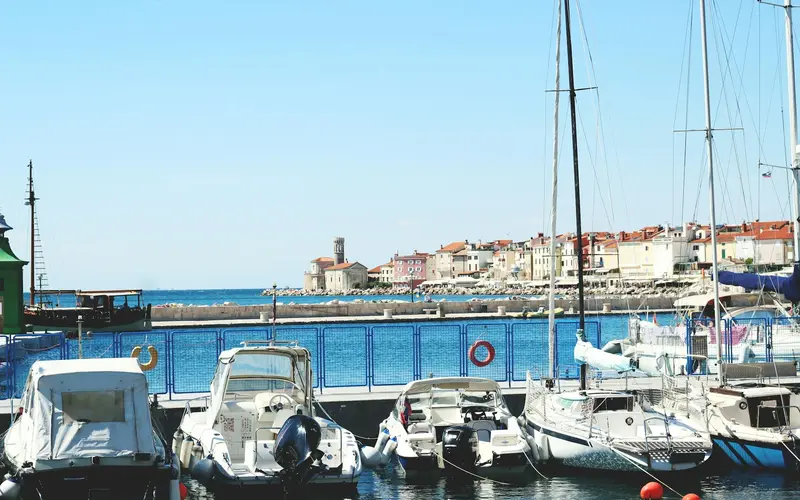
Core Factors Influencing Used Yacht Price Negotiations
Used yacht pricing isn't based on gut feeling—it's shaped by market conditions, timing, model type, and maintenance records. JD Power's pre-owned vessel valuation research also highlights: identical age and model types can command markedly different market values across regions.
How does market condition affect pricing?
If you're buying during peak season (April–August), sellers typically hold the upper hand as viewings are frequent and deals close quickly. Conversely, during off-peak periods (rainy season, winter, or pre-year-end), sellers often seek to offload swiftly to avoid carrying annual mooring fees into the new year, making them more receptive to price reductions.
I once secured a 34-foot sailing yacht in early December. The seller initially resisted price concessions but ultimately reduced the price by $5,000 to avoid paying the next year's insurance and maintenance fees.
Incidentally, this tendency is even more pronounced among sellers of super luxury yachts for sale: delivering before year-end saves substantial labour and mooring costs, making them frequently willing to compromise on price. Should you wish to understand How to Determine the Actual Value and Market Price of a Used Yacht?, this guide provides detailed insights.
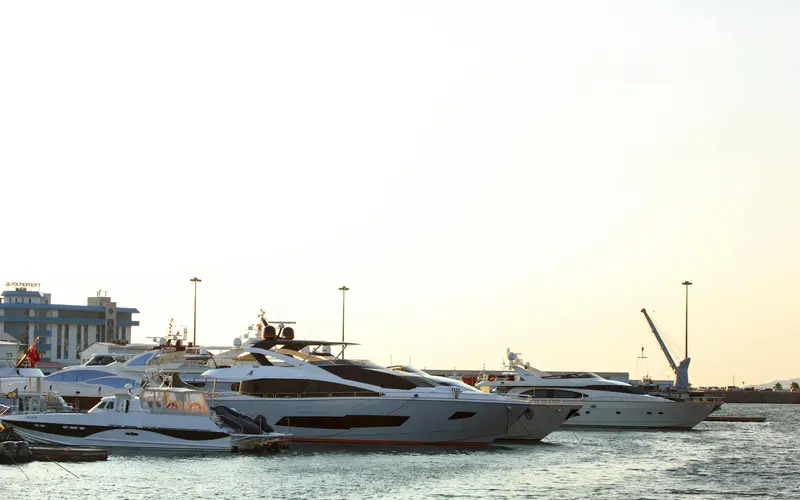
The best time of year to negotiate a yacht purchase
The most favourable periods for price reductions are typically:
• October to December annually (sellers aiming to reduce next year's expenses)
• Winter/rainy season (slower market with less competition)
• Post-major boat shows (many viewing new models consider upgrading)
How model, age and maintenance records influence price differentials
The used yacht market is far from the simplistic notion that ‘newer equals more expensive’.
I once saw a 10-year-old vessel priced nearly 30% lower than a 6-year-old one, due to the former's meticulous maintenance versus the latter's chronic neglect. Beyond anecdotal evidence, GoDownsize's yacht depreciation research indicates: 30–40ft yachts may depreciate around 45% after 7 years; 40–50ft vessels show similar depreciation rates.
Simply put: a strong maintenance record = seller confidence; a lack thereof = your bargaining chip.
What Documents Must Be Prepared Before Negotiations?
To ensure I wouldn't be led by the nose by sellers again as I was the first time, I now prepare the following items for every price negotiation—these documents signal to sellers that you're a serious buyer and give you greater leverage at the bargaining table.
| Documents | Purpose |
| Maintenance records, repair invoices, upgrade invoices | These prove whether the owner has maintained the boat diligently. If the seller cannot provide complete records, you can reasonably question them and further negotiate a lower price. |
| Proof of ownership and registration documents | Some sellers cannot even find the documents, or the document information does not match. In this case, you should absolutely not buy at the original price; the legal risks are too great. |
| Professional boat inspection report | As long as the boat inspector points out any problems, you can use this as grounds to request a price reduction. A 2023 study titled "Measurement Models for Sailboats Price vs. Features and Regional Areas" indicates that structural condition, maintenance status, and the completeness of functional systems are highly correlated with the price of a used yacht. |
Common Price Negotiation Points for Used Yachts
These are recurring focal points I've observed during dozens of inspections and negotiations. By clearly highlighting these issues, sellers will rarely insist on their original asking price.
• Hull Condition (Seepage, Ageing, Gelcoat Issues): Mentioning ‘seepage’ alone typically weakens sellers' resolve, as repairs entail substantial costs, lengthy labour, and significantly impact resale value.
• Engine condition (hours, leaks, maintenance history): The engine is the heart of a powerboat. High engine hours, oil leaks from the sump, ageing fuel pumps, or cracked belts can be directly converted into ‘repair costs’ and used as leverage in your negotiations.
• Electronics, navigation instruments, rigging and other critical systems: Many first-time buyers overlook electronics, yet these components are costly.
For instance: • Autopilot: New systems cost $2,000–5,000 • Navigation instruments: $1,500–3,000 • Satellite communications: $800–2,000 • Rigging upgrades: $2,000–8,000 Any outdated or malfunctioning equipment provides tangible grounds for price reduction.

Price Reduction Based on Survey Issues
This is my most frequently used and effective negotiation tactic: converting actual repair costs into an acceptable price reduction.
Penetration issues → You could state: ‘A full repair at this location would cost approximately $3,000–$6,000. I'm willing to continue considering the offer, but the price must be adjusted.’Sellers typically concede a little.
Engine Risk → If the surveyor states: ‘This engine is in average condition and may require major overhaul within 1–2 years,’ you can almost immediately request a discount of at least $5,000–$10,000.
Outdated Electronics → Older navigation instruments are sometimes irreparable and must be replaced outright. Present the replacement costs directly to the seller.You're not being “difficult”; you're simply calculating actual costs.
Next, I'll share the approximate repair costs, which can be used as a bargaining chip.
| Issue Found | Typical Repair Cost | Suggested Price Reduction |
| Engine overhaul risk | $8,000–15,000 | $5,000–10,000 |
| Outdated navigation system | $2,000–5,000 | $2,000–4,000 |
| Hull seepage | $3,000–6,000 | $3,000+ |
Negotiation Techniques with Yacht Brokers
I was once led round in circles by brokers who spoke rapidly and adopted an aggressive stance. But I later realised brokers aren't adversaries; they simply want to close the deal.
How to negotiate a lower price without being discourteous? The key technique boils down to one principle: always ensure your demands are “reasoned and substantiated”. If you simply say, ‘It's too expensive, I want a discount,’ no one will take you seriously.
But if you state: ‘Given the high engine hours and navigation instruments exceeding 10 years old, I'd like to adjust the price by X amount,’ nearly every broker will take it seriously.
How to avoid being led by the broker? Remember one principle: the broker's job is to protect the seller, not you.
Therefore:
• Don't let their words sway you
• Don't rush
• Don't be swayed by ‘others viewing the boat’
• Don't be pressured
When to remain silent? When to make an offer? The most effective timing is usually:
• Within 24–48 hours after the survey report is released (when the seller is most vulnerable)
• Before month-end/year-end (Sellers are often more willing to negotiate to reduce costs)
‘Silence’ is also a tactic. After proposing a price reduction, keep quiet and let the other party fret.
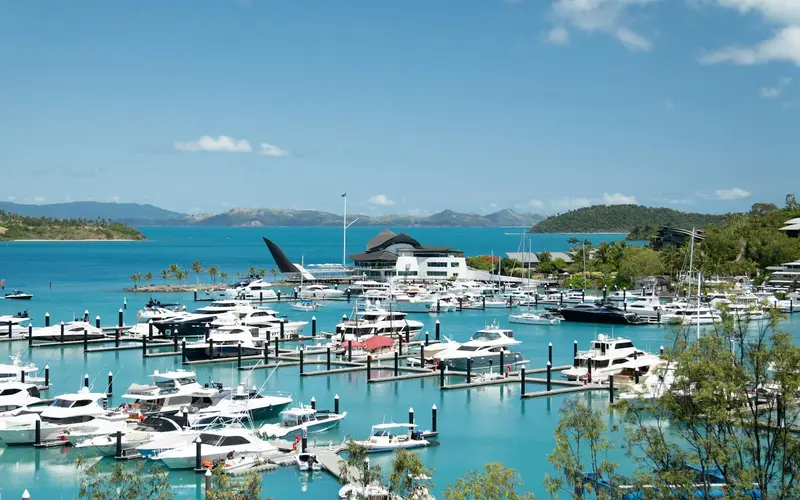
Common Negotiation Mistakes and How to Avoid Them
I've made many mistakes myself, now summarised for you:
• Bidding too quickly → Signals urgency to the seller, making price negotiation difficult
• Bidding without a survey → You forfeit all leverage
• Being swayed by superficial appeal → The truth lies beneath the hull
• Focusing solely on age, ignoring maintenance → Many overpay thousands of dollars for this oversight
• Being pressured by brokers → Their urgency is not yours
Remember this: Never reveal ‘I must have this boat’ until you fully understand it.
Summary
If you wish to remember just one thing, it is this: the true repair cost equals your negotiating margin.
Negotiating the price of a second-hand yacht is not about who shouts the loudest, but about who understands the market, the vessel's condition, and the repair costs better. Provided you prepare documentation, conduct a survey, grasp market cycles, and insist on negotiating based on facts, you will almost certainly secure a reasonable—or even exceptionally favourable—price.
The 2025 pre-owned yacht market is competitive, but with the right approach, securing a vessel offering exceptional value for money is entirely achievable.
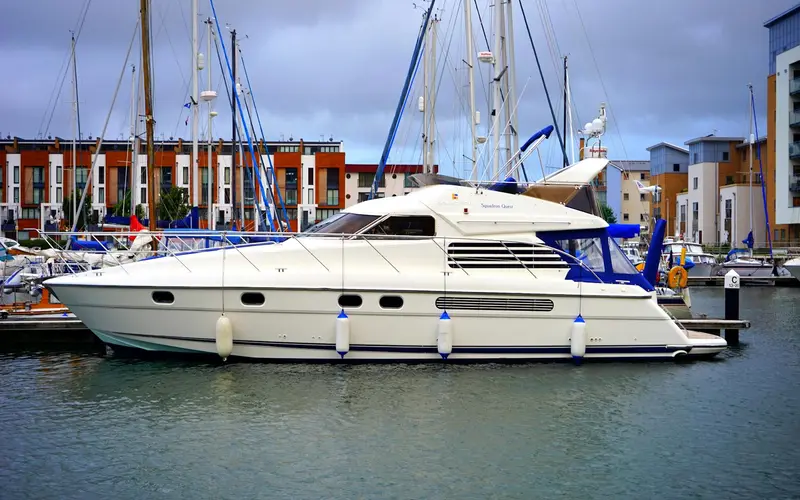
Frequently Asked Questions About Used Yacht Price Negotiation
Q1: The seller claims ‘the price is already rock bottom.’ How do I continue negotiating?
A: Avoid confrontation. Simply state: ‘We'll have our surveyor confirm the condition. If no issues arise, I'll accept.’ The survey report will naturally provide leverage.
Q2: Does the surveyor represent the buyer or seller?
A: Surveyors are neutral, but all findings are documented in the report, providing you with leverage for negotiation.
Q3: What if the seller refuses to allow a survey?
A: Avoid such vessels entirely. This typically indicates opaque or problematic vessel condition.
Q4: Is it essential to engage a broker?
A: For first-time buyers, it's advisable. But remember—the broker represents the seller, not you.
Riley Miller
Riley Miller is the owner of the “Serendipity” yacht, a contributing columnist for “Yachting Monthly,” and has published 17 in-depth analyses on yacht cost management. He also serves as an advisory committee member for the European Second-Hand Yacht Association (ESYA) and holds the International Yachting Certificate ICC-UK-2019C-17429, with certified cruising areas covering the Mediterranean and the western coast of the Atlantic.
Disclaimer
The content herein is for informational purposes only and is intended to share the author's personal experiences and perspectives. It does not constitute legal, tax, or investment advice. Yacht transactions involve complex legal, financial, and technical matters. Actual purchasing processes may vary due to regional regulations, vessel type differences, or individual circumstances. Before making any yacht purchase decisions, readers are advised to consult licensed professionals (such as attorneys, tax advisors, licensed yacht brokers, or surveyors) for personalized guidance tailored to their specific situation. Neither the author nor the publisher shall be liable for any direct or indirect losses arising from reliance on the information provided herein.