Quick Answer:
- mall sailboat (25–30 ft): $3,000–8,000
- 35–45 ft yacht: $12,000–25,000
- 50–60 ft yacht: $25,000–50,000
- Luxury motor yacht 60–100 ft: $50,000–150,000+
Several years ago, I first seriously pondered the question, “How much does owning a yacht actually cost?” It wasn't due to a sudden windfall or a desire for prestige, but because I nearly fell for an absurdly cheap used yacht.
It was a 36-foot luxury yacht in seemingly good condition, priced by the owner at under $65,000. At the time, I thought it was practically a steal and was even ready to sign the contract. But the night before I finalized the deal, an old skipper laid out his annual maintenance bill before me: docking fees alone neared $9,000, and with yearly upkeep, insurance, cleaning, and replacement parts, the total cost easily exceeded $15,000. In that moment, I suddenly understood that behind the “bargain purchase price” lay a whole set of long-term expenses.
That experience made me realize: buying a boat without understanding annual maintenance costs is a surefire way to fall into a budget trap. This article aims to help you fully grasp: How much does it cost to maintain a yacht per year?
Table of Contents
What's the average annual yacht maintenance cost?
What does the annual maintenance fee cover?
Labor Costs and Emergency Repairs
Annual Maintenance Costs by Yacht Type
Localized Price Dimensions
How to calculate your yacht's true annual maintenance costs?
How to Effectively Reduce Your Annual Maintenance Budget?
Conclusion
FAQ
What's the average annual yacht maintenance cost?
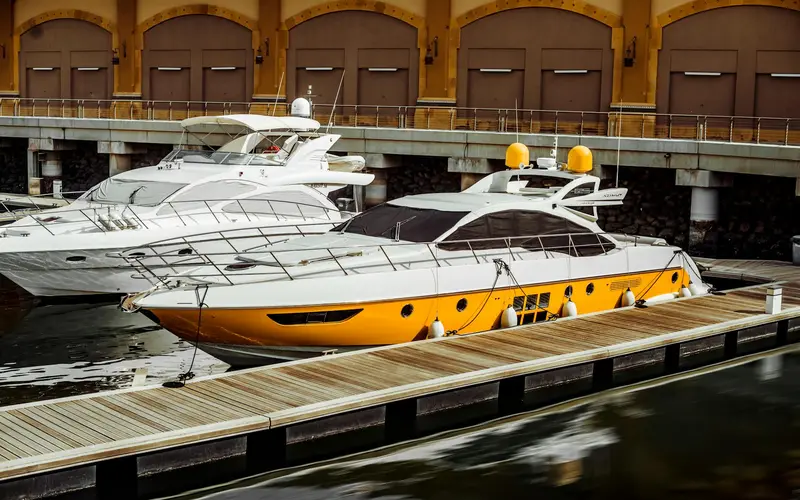
If you just want a quick figure, most global yacht markets follow a common rule of thumb: annual maintenance costs are roughly 10%–20% of the yacht's purchase price.
This figure isn't made up—it comes directly from Moran Yacht Management, one of the world's largest yacht management companies. Their official statement notes: “Annual maintenance expenses typically account for 10–20% of the yacht's purchase price.”
In other words: If you own a $150,000 yacht, its annual maintenance costs could range from $15,000 to $30,000.
However, this range is still influenced by three major factors: size, type, and usage frequency.
Generally, smaller sailboats have the most manageable maintenance costs across the yacht market, while large powerboats are “money pits”—fuel, engine maintenance, and mooring fees are exorbitantly expensive.
Below, I'll break down each real-world cost so you can fully grasp the calculation method.
What does the annual maintenance fee cover?
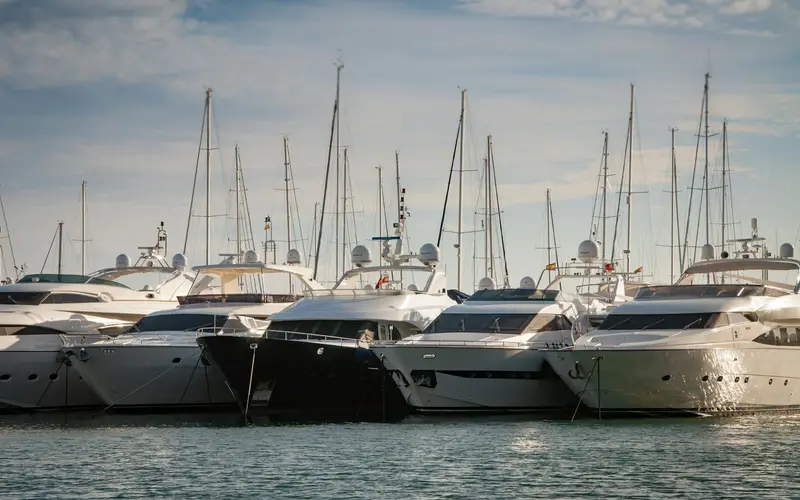
Yacht annual maintenance costs are actually quite varied, and many new owners are often caught off guard by “hidden fees” during their first year. Generally, a comprehensive annual budget includes the following major categories:
Berthing Fees
This is typically one of the largest fixed expenses. Berthing fees vary significantly by country, city, marina tier, season, and even the orientation of the slip.
From my understanding, a mid-range marina for a 35–40 ft yacht typically costs $6,000–12,000 per year in the U.S., and even more in Asia. Since berths are calculated by length, the 40 ft yacht yearly cost often spikes sharply due to mooring alone.
Annual Maintenance
Routine maintenance includes engine servicing, generator maintenance, hull antifouling, fuel/water separator checks, and pump system inspections.
For sailboats, mast inspections and rigging maintenance are additional. Generally, basic annual maintenance for a 30–40-foot yacht costs around $2,000–5,000 USD; powerboats, due to higher engine costs, often range from $5,000–12,000 USD.
Insurance
Yacht insurance is heavily influenced by value, operating waters, weather risks, and other factors. Premiums typically range from 1.5%–3% of the vessel's value annually. For example, insuring a $120,000 yacht would cost approximately $1,800–$3,600 per year.
Fuel
A major factor in motor yacht yearly cost, if you own a powerboat, each outing burns through cash. Many powerboats consume 40–100 liters of fuel per hour. With 50–80 hours of annual sailing, fuel expenses frequently exceed $3,000–10,000 per year. Sailing boats are significantly cheaper, typically costing $500–1,500 annually.
Hull Cleaning
Seawater rapidly coats hulls with barnacles and algae. Without regular cleaning, fuel consumption increases significantly, speed decreases, and mechanical strain may occur. Monthly cleaning is standard, costing approximately $600–1,200 annually.
Additionally, there are consumable repairs and part replacements. Pumps, seals, hoses, lights, batteries, and similar items will break down several times annually. These costs are the most unpredictable, but for a 30–50-foot boat, it's wise to budget $1,000–3,000 per year.
Labor Costs and Emergency Repairs
This final category is often overlooked. Issues like air conditioning failure, malfunctioning automatic bilge pumps, or navigation equipment problems not only involve expensive parts but also costly labor (US$80–120 per hour). It's generally advisable to set aside an additional US$1,500–3,000 annually as an “emergency repair fund.”
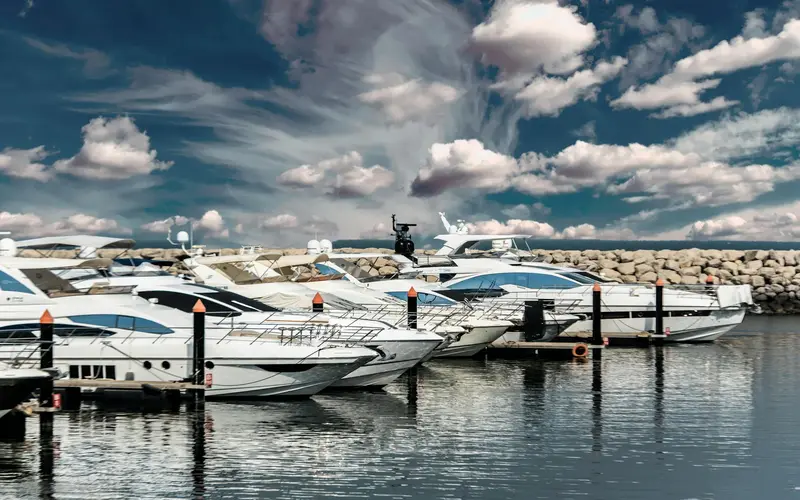
Annual Maintenance Costs by Yacht Size
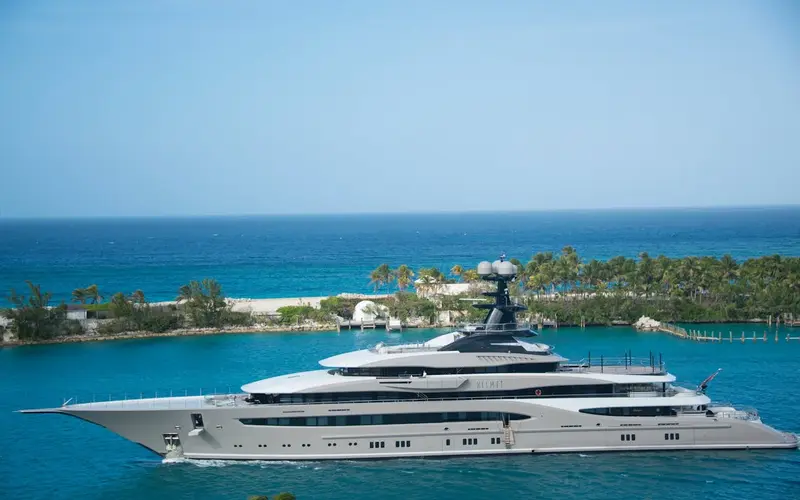
To provide a clearer picture, here's an overview of annual maintenance costs for common yacht sizes:
| Yacht Size | Annual Maintenance Cost Range (USD) | Explanation |
| Under 25 feet | 3,000 – 7,000 | Small sailboats or small motorboats, lowest costs |
| 30–35 feet | 7,000 – 15,000 | Mooring and maintenance costs begin to increase significantly |
| 36–45 feet | 12,000 – 25,000 | The most popular size for families, but not cheap |
| 46–60 feet | 25,000 – 50,000 | Large cruisers or motorboats, expensive fuel costs |
| Over 60 feet | 50,000 – 150,000+ | Professional crew fees and luxury systems significantly increase the budget |
Beyond 45 feet, cost to maintain a 50 foot yacht rises rapidly due to fuel consumption and engine maintenance.
As a beginner, before selecting a yacht size, I recommend reviewing The Golden Rule for Yacht Size for Beginners in 2025. This resource will provide valuable insights into sizing considerations.
Annual Maintenance Costs by Yacht Type
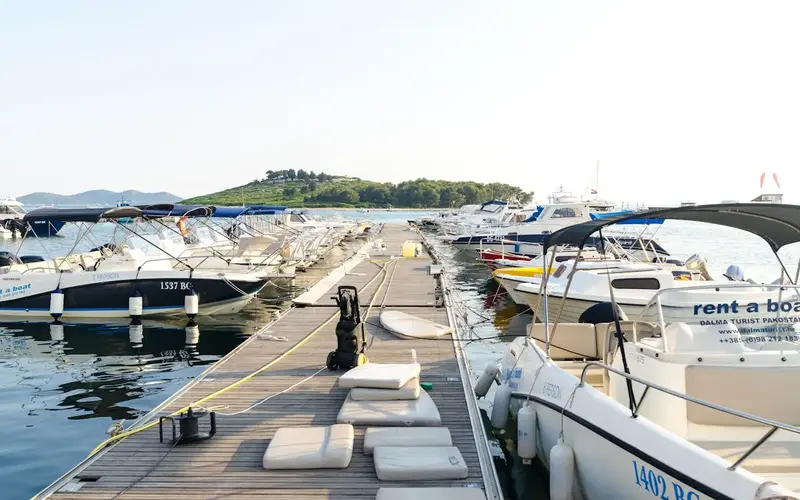
Many compare maintenance costs between sailing and motor yachts. Beyond size, the yacht's type significantly impacts annual expenses. Based on my market observations:
- Sailboats typically have the lowest maintenance costs. Since they rely primarily on wind power, fuel expenses are minimal, engines see low operating hours, and repairs are relatively straightforward. Larger expenditures tend to be for rigging inspections, mast maintenance, and sail replacement—though these aren't annual tasks. The average annual cost for a 35-foot sailboat generally falls between $8,000–15,000.
- Motor yachts incur significantly higher costs. Large main engines, twin engines, and complex fuel systems increase maintenance expenses, while fuel consumption is extremely high during voyages. For flybridge yachts, sport yachts, or multi-deck motor yachts, annual costs easily exceed $20,000–$40,000, and it's not unusual for larger vessels to surpass $100,000.
- Catamarans offer stability and spaciousness, but with twin hulls and dual engines, most expenses are “doubled.” For instance, antifouling paint covers twice the surface area, engine maintenance requires servicing two units, and mooring fees are significantly higher. A typical 38–45-foot catamaran generally costs $15,000–30,000 annually.
Localized Price Dimensions
Annual maintenance costs vary significantly across regions. Relying solely on “global average prices” can lead to severe misjudgments of your actual budget. Therefore, I've broken down pricing for the three primary yacht markets—the United States, Europe, and Asia—allowing you to directly reference your own region.
US Market Costs:
| project | 30–35 ft | 36–45 ft | 46–60 ft | 60 ft+ |
| Marina Berthing | $6,000–10,000 | $8,000–15,000 | $15,000–25,000 | $25,000–50,000+ |
| Maintenance | $2,000–5,000 | $4,000–8,000 | $8,000–15,000 | $15,000–30,000 |
| Insurance | $1,000–2,000 | $1,800–3,600 | $3,000–6,000 | $6,000–12,000 |
| Fuel(Powerboats) | $1,000–4,000 | $3,000–7,000 | $6,000–12,000 | $10,000–30,000+ |
| Annual total cost range | $10,000–20,000 | $15,000–30,000 | $30,000–55,000 | $50,000–100,000+ |
Europe Market Costs:
| project | 30–35 ft | 36–45 ft | 46–60 ft | 60 ft+ |
| Marina Berthing | €7,000–12,000 | €10,000–18,000 | €18,000–30,000 | €35,000–80,000+ |
| Maintenance | €2,500–5,500 | €5,000–9,000 | €9,000–16,000 | €18,000–35,000 |
| Insurance | €1,000–2,200 | €1,800–3,800 | €3,500–6,500 | €7,000–15,000 |
| Fuel | €1,200–4,500 | €3,500–8,000 | €7,000–15,000 | €12,000–30,000+ |
| Annual total cost range | €12,000–24,000 | €18,000–40,000 | €35,000–70,000 | €65,000–160,000+ |
Asia Market Costs:
| project | 30–35 ft | 36–45 ft | 46–60 ft | 60 ft+ |
| Marina Berthing |
$4,000–8,000(Thailand/Malaysia) $10,000–18,000(Singapore/Hong Kong/Japan) |
$6,000–12,000 / $15,000–25,000 | $12,000–20,000 / $25,000–40,000 | $20,000–40,000 / $40,000–80,000+ |
| Maintenance | $1,500–4,000 | $3,000–6,000 | $6,000–12,000 | $12,000–25,000 |
| Insurance | $700–1,800 | $1,200–2,800 | $2,500–5,000 | $5,000–10,000 |
| Fuel | $800–3,000 | $2,000–6,000 | $5,000–10,000 | $8,000–25,000 |
| Annual total cost range |
$8,000–15,000(Southeast Asia) $15,000–30,000(Hong Kong/Singapore/Japan) |
$12,000–25,000 / $25,000–40,000 | $25,000–45,000 / $40,000–60,000 | $40,000–80,000+ / $70,000–150,000+ |
How to calculate your yacht's true annual maintenance costs?
The most effective method for calculating maintenance costs closest to your actual situation is the “fixed costs + variable costs” model.
Fixed costs include berthing, insurance, registration fees, and routine maintenance; these generally don't fluctuate significantly year-to-year. Variable costs encompass fuel, repairs, consumable replacements, and electronics upgrades, which can vary greatly based on your sailing frequency, usage intensity, and local labor rates.
The simplest approach is to first list marina rates in your city, then multiply them by your yacht's length (in feet). Next, review local technicians' routine maintenance quotes. Then estimate fuel costs or sail wear based on your sailing habits. For example, if you sail 3 times monthly for 4 hours each trip, you can calculate a fuel consumption multiplier. Finally, add an “emergency repair fund,” typically recommended at around 1% of the yacht's value.
The formula is roughly:
Annual Maintenance Cost = (Berthing Fees + Insurance + Basic Maintenance) + (Fuel/Sail Wear + Emergency Repair Fund)
The calculated figure will usually closely match your actual annual expenses for the coming years. Give it a try!
How to Effectively Reduce Your Annual Maintenance Budget?
Key strategies include reducing marina fees, improving DIY skills, and minimizing time in water.
These methods significantly impact long-term yacht cost of ownership and help keep yearly yacht upkeep cost under control.
Many people don't realize that mooring fees can account for 40%–60% of annual costs. Therefore, you can choose non-urban marinas, secondary marinas, or even opt for dry storage, which can cut costs in half.
The second money-saving approach is to enhance your DIY skills. Tasks like replacing water pump filters, cleaning seawater filters, inspecting bilge pumps, and treating electrical contacts are all relatively easy maintenance skills to learn. Mastering these can save you thousands of dollars in labor costs annually.
The third approach is minimizing time spent “in the water.” Saltwater is a yacht's greatest enemy. The less time spent submerged, the less likely the hull is to develop fouling, reducing the need for anti-fouling paint and automatically lowering maintenance costs.
Finally, purchase a yacht in “good condition with low operating hours.” This will minimize the need for major repairs in the early years, significantly reducing overall costs.
In truth, mastering certain techniques is essential for lowering yacht maintenance costs. These 6 Ways to Reduce Yacht Maintenance Costs are well worth learning. Additionally, if you plan to resell your yacht later, extending its lifespan is a key strategy for preserving its value and securing a better price. How to achieve this? The 2025 Yacht Maintenance Guide will teach you in detail.
Conclusion
Having written this far, I increasingly agree with what that old captain once said: “Buying a yacht isn't hard—the real challenge is whether you're prepared to maintain it long-term.” In truth, whether you're eyeing a 30-foot family cruiser or those tempting super luxury yachts for sale online, what truly determines whether your budget can withstand the cost isn't the vessel itself, but the annual maintenance burden that follows. This is precisely why I often advise first-time buyers to thoroughly research before committing—exploring topics like “10 Hidden Costs You Must Know Before Buying a Yacht.” Most budget-busters for owners aren't the obvious major expenses, but rather the cumulative weight of small, recurring costs.
In other words, yacht maintenance costs are never a fixed figure. They represent a complex, long-term expenditure pattern tied to size, type, marina location, and sailing frequency. With advance planning—incorporating berthing fees, insurance, upkeep, fuel, repairs, and consumables into your annual budget while setting aside contingency funds—yacht ownership needn't be as daunting as rumored. On the contrary, it can become a lifestyle investment that delivers immense freedom and a profound sense of accomplishment.
FAQ
Q1: Can I maintain a boat for very little money?
A: For a small sailboat under 20 feet, it's possible to manage with a few thousand dollars annually. However, for yachts over 35 feet, spending less than $10,000 is nearly impossible.
Q2: Are powerboats really that much more expensive than sailboats?
A: Yes. Fuel costs and engine maintenance make up a huge portion of powerboat expenses, often doubling the upkeep costs of sailboats.
Q3: Do used boats cost more to maintain than new ones?
A: Typically yes, as parts age faster. But if the previous owner maintained it well, the difference won't be significant.
Riley Miller
Riley Miller is the owner of the “Serendipity” yacht, a contributing columnist for “Yachting Monthly,” and has published 17 in-depth analyses on yacht cost management. He also serves as an advisory committee member for the European Second-Hand Yacht Association (ESYA) and holds the International Yachting Certificate ICC-UK-2019C-17429, with certified cruising areas covering the Mediterranean and the western coast of the Atlantic.
Disclaimer
The content herein is for informational purposes only and is intended to share the author's personal experiences and perspectives. It does not constitute legal, tax, or investment advice. Yacht transactions involve complex legal, financial, and technical matters. Actual purchasing processes may vary due to regional regulations, vessel type differences, or individual circumstances. Before making any yacht purchase decisions, readers are advised to consult licensed professionals (such as attorneys, tax advisors, licensed yacht brokers, or surveyors) for personalized guidance tailored to their specific situation. Neither the author nor the publisher shall be liable for any direct or indirect losses arising from reliance on the information provided herein.