A client sent me a spreadsheet last Tuesday—midsized flybridges, color-coded by asking price, year, and engine hours. It was a perfectly logical document, and it was almost entirely wrong. The “best deal” on his list was a 2018 unit that, on paper, looked like a steal. In reality, having walked that specific hull two months ago, I knew it had a quiet vibration issue in the VIP cabin at cruise and a gelcoat history that would make a surveyor frown. The “expensive” option on his list? It had just completed a major 1,000-hour service and had a crew that treated the engine room like a surgical suite.
That is the texture of the 2025 market: the numbers tell you where to look, but the boat tells you what to pay. Pricing right now is less about the sticker price and more about the invisible cost of future-proofing. Let me walk you through the real numbers I’m seeing this season, backed by the data that actually dictates value.
How Much Does It Cost to Buy a Yacht in 2025? (By Size & Type)
The market is steady overall, tight inventory in popular sizes, rational pricing in older vintages, and healthy buyer selectivity. Below are the ranges I’m seeing across regions this season. I’ll note when configuration, hours, or tax status meaningfully move the needle.
40–60 ft Yacht Prices
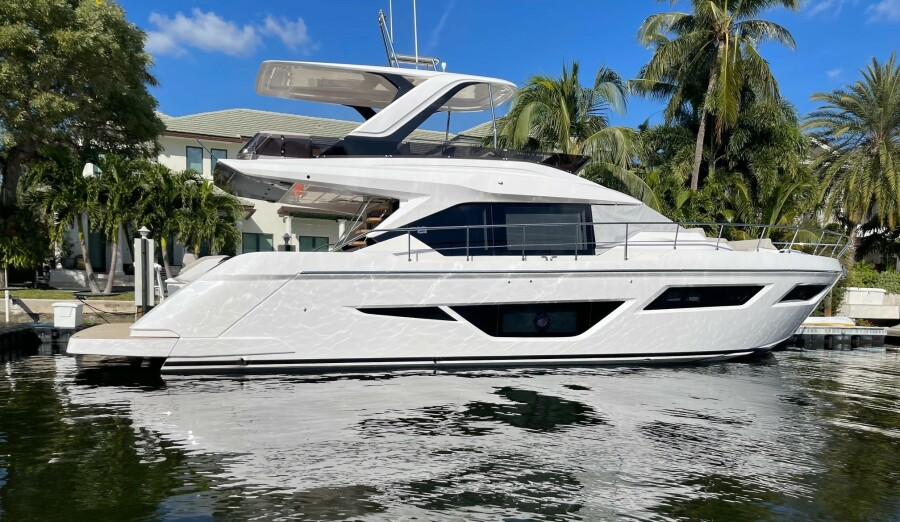
In 2025, this band is the busiest globally. Think owner-operator cruisers, sport bridges, express boats, and compact explorers.
New production (gasoline or smaller diesels): typically $700,000–$1.2M.
New premium diesel flybridge / downeast / sport: often $1.2M–$2.2M depending on brand, layout, and stabilization.
Late-model used (3–6 years): generally $700,000–$1.4M, with hour bands and options driving spread.
Older used (7–12 years): frequently $350,000–$900,000 depending on condition, service records, and electronics vintage.
What moves price:
Stabilizers: a Seakeeper or fins can lift asking by $35,000–$120,000+ in this range: buyers value comfort at anchor now more than ever.
Hour bands: under 500 hours commands a premium. 1,000–1,800 hours is not a deal-breaker if maintenance is impeccable, but expect sharper negotiations.
Interior spec and teak condition: clean joinery, tasteful fabrics, and cockpit/side deck teak in good shape reduce buyer risk and preserve value.
Regional notes:
U.S.: deep inventory, strong demand for joystick diesel pods and open-concept salons. Sales tax varies by state: a few jurisdictions cap tax, an important detail for total acquisition cost.
Mediterranean: ex-VAT pricing is common on brokerage listings: VAT-paid status or a clear VAT trail matters for EU cruising and resale. Seasonal demand pushes spring/summer ask levels slightly higher.
Asia-Pacific: fewer comparables in some sizes: import taxes and GST can be material (e.g., Australia GST at 10%). Hong Kong can offer attractive purchase pricing but berth availability and delivery timing influence real cost.
Field note: I walked two 45–50 ft express cruisers last month in Fort Lauderdale, both 2018s, similar hours. The boat with refreshed fabrics, new MFDs, and a documented heat exchanger service drew stronger offers at nearly the same ask. Presentation and maintenance cadence are price.
60–80 ft Yacht Prices
This bracket blends owner-operator and light-crew boats, flybridges, raised pilothouses, and performance hardtops.
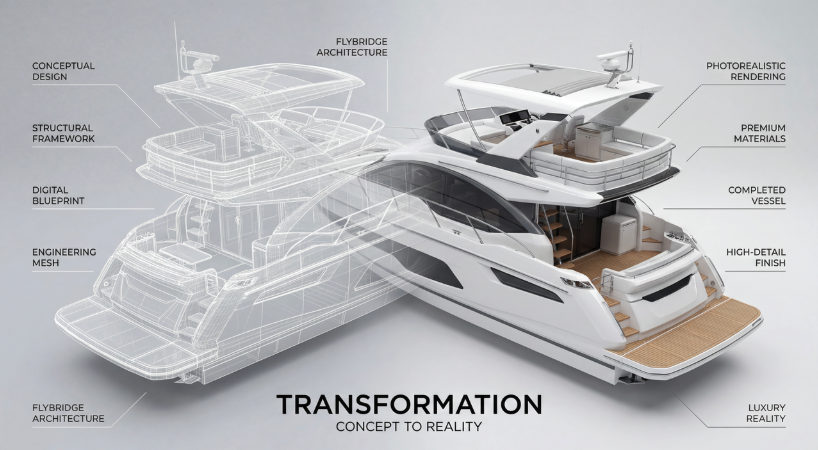
New production: typically $2.0M–$6.5M. A well-specced 70–75 ft flybridge with zero-speed fins and upgraded AV/helm electronics generally lands $3.0M–$4.8M.
Late-model used (3–6 years): often $1.6M–$3.5M depending on hours, stabilizers, tender/garage, and galley position (up vs. down can affect demand).
Older used (7–12 years): broadly $1.1M–$2.4M. Complete engine service history and updated nav packages are decisive.
What moves price:
Stabilization: zero-speed fins or large gyros add real-world value. Original build cost could be $80,000–$250,000 in this size: resale lift is smaller but still meaningful.
Engine generation:later MAN/Volvo/MTU control systems with better diagnostics and emissions compliance attract buyers: smoother maneuvering equals confidence.
Layout: four cabins in 70–76 ft can widen the buyer pool. Crew space usability (even on “owner-operator” builds) quietly supports resale in busy cruising regions.
Regional notes:
U.S.: flybridge demand is strong: East Coast buyers like functional shade and enclosure systems. Pricing is rational: clean survey boats trade near guides.
Mediterranean: VAT-paid boats with tasteful satin interiors typically transact faster. Charter-spec wiring and MLC-compliant crew spaces can lift demand in certain marinas.
Middle East & Asia: new-build deliveries are healthy: brokerage stock can be lean, so well-presented used boats sell briskly.
Anecdote: I inspected three 2017 72-footers in Palma this spring. The quietest at cruise wasn’t the newest: it had a meticulous soft-mount refresh and better door seals. Noise and vibration work don’t photograph well but absolutely influence offers.
80 ft+ Yacht & Superyacht Prices
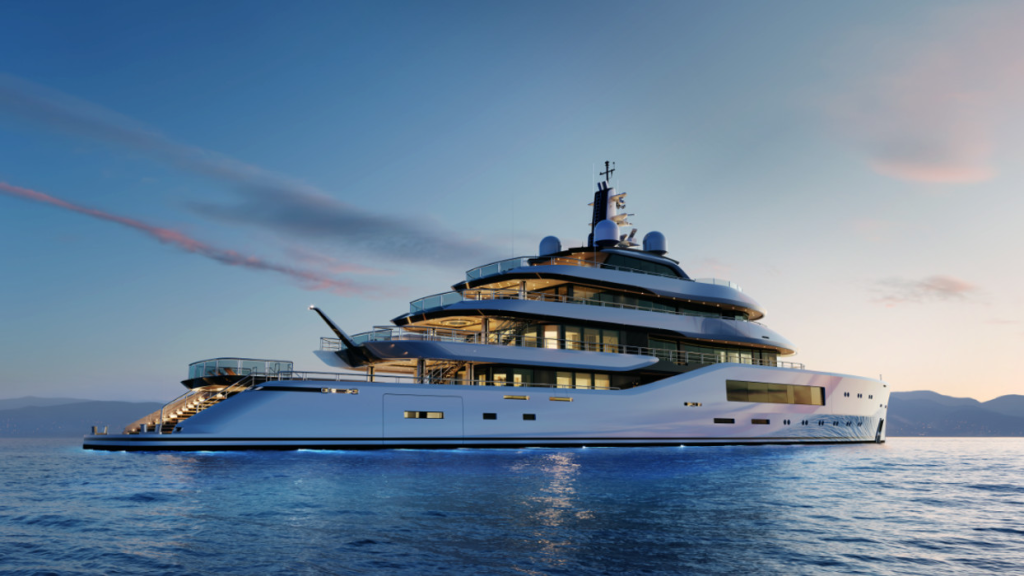
At 80 feet, you’re into consistent crew, heavier systems, and more layered due diligence. Pricing spreads widen with shipyard reputation, build material, and refit history.
80–95 ft new: typically $6M–$12M. Carbon or advanced composites with high-spec interiors trend higher.
80–95 ft used (5–10 years): generally $3.5M–$8M depending on hours, refits, and stabilization package.
100–130 ft semi-custom: new often $12M–$28M: used (5–12 years) $6M–$18M with shipyard pedigree (Feadship, Sanlorenzo, Benetti, Heesen, Westport, etc.) driving variance.
130–160 ft: new typically $25M–$55M+: used often $12M–$35M. Steel/aluminum displacement boats sit differently from fast composite builds, running costs and range shift buyer calculus.
160–200 ft: new commonly $50M–$120M+: used $30M–$80M depending on class status, refit breadth, and interior relevance.
What moves price:
Pedigree and project discipline: class records, planned maintenance systems, and documented refits protect value.
Interior relevance: dated glossy cherry with heavy carpets slows velocity: sensitive, high-quality refreshes sell.
Tech step-changes: hybrid-ready power, advanced shore-power integration, and modern hotel loads point to future-proofing.
Regional notes:
Northern Europe: strong for pedigree brokerage and complex refits: pricing skews premium for condition.
U.S. West Coast: limited large-berth availability: delivery logistics and moorage hold real weight.
Middle East: demand for newer, larger, climate-optimized builds is healthy: buyer expectations for redundancy and chilled-water systems are high.
Quiet truth: serious buyers pay for assurance, the feeling that a platform has been cared for in a way that reduces surprises. Survey outcomes, not brochures, determine final money.
The Real Cost of Yacht Ownership: Annual Expenses (The 10% Rule Explained)
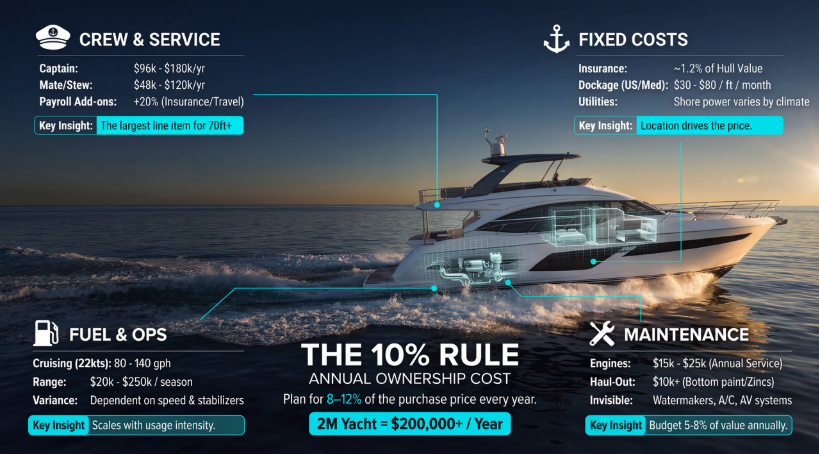
A simple way to think about annual cost is the “10% rule”, plan roughly 8–12% of boat value per year for all-in ownership, excluding heavy upgrades. It’s a shorthand, not a guarantee. Your operating pattern and crew structure matter most.
Crew Salaries & Service Costs
Crew is the single largest line item once you cross into 70–80 feet and up.
Typical salaries (annual):
Captain: $96,000–$180,000 depending on size, license, and program complexity.
Mate/Engineer (smaller programs may combine): $60,000–$120,000.
Chief Stew/Stew: $48,000–$96,000.
Chef (seasonal or full-time): $60,000–$120,000.
Payroll on-costs: health insurance stipends, travel, training, and uniforms add 10–20%.
Shore service: divers, detailers, and A/C techs often run $300–$800 per visit: monthly rhythms vary by climate.
In owner-operator sizes (40–60 ft), count on part-time help: a monthly wash and quarterly detail, plus systems techs as needed.
Fuel Consumption & Operating Patterns
Fuel scales with speed, hull type, and weight. A few practical markers:
45–55 ft planing cruiser at 22–28 knots: 35–60 gph combined.
65–75 ft flybridge at 20–24 knots: 80–140 gph.
100–120 ft semi-displacement at 12–16 knots: 150–350 gph.
True displacement explorers at 9–11 knots: dramatically lower per mile, often 20–60 gph depending on tonnage.
Operating pattern is everything. A family that cruises 60 hours a season spends differently than a boat doing 300 engine hours, two crossings, and multiple guest trips. Many owners find annual fuel falls between $20,000 and $250,000: outliers go higher with aggressive schedules.
Insurance, Dockage & Marina Fees
Insurance: commonly 0.8%–1.5% of agreed value annually, rising for larger tonnage or high-speed profiles. Newer helms with modern monitoring and good crew resumes help.
Dockage: location-driven. Southeast U.S. seasonal slips for 60–80 ft often land $30–$80 per foot per month, more for premium marinas. Med summers can spike: stern-to with shore power in A-list ports commands a premium and advance planning.
Utilities: shore power for bigger hotel loads isn’t trivial: chilled-water boats in hot climates can run meaningful monthly electricity.
Maintenance, Repairs & Haul-Outs
Annual maintenance usually sits around 5–8% of boat value for well-run programs: with refits or heavy use, 10%+ happens. Typical items:
Engines and gensets: scheduled services, coolers/heat exchangers at intervals, impellers, belts, filters. A thorough twin-diesel annual can be $8,000–$25,000 in 60–80 ft: larger yachts multiply.
Stabilizers: fins and gyros need love, seals, fluid, periodic overhauls.
Bottom and running gear: haul, pressure wash, zincs, prop scan, and antifoul, often $6,000–$25,000 for 50–70 ft: larger boats scale sharply with yard rates and paint systems.
Hotel and comfort: watermakers, chillers, AV/network, and soft goods. The truly “invisible” spend is keeping the boat quiet, dry, and odor-free.
This is the hour band where I usually recommend buyers slow down and inspect more carefully: 900–1,800 hours on mid-size planing boats. Heat exchangers, turbos, and mounts tell the truth. A good engine survey saves money: a great one saves weekends.
New vs. Used Yachts: Depreciation & Value Retention
Depreciation in yachts isn’t a mystery: it follows the logic of scarcity, perception, and upkeep.
Early years (new to year 3): typically 12–18% total per year from original MSRP, especially for high-volume production boats. Custom or scarce models can behave differently if order books are long.
Middle years (years 4–10): often 5–8% annually, heavily influenced by hours, survey findings, and whether modern stabilizers/electronics are fitted.
Mature years (10+): depreciation slows in percentage terms: condition and refit quality dominate. An honest, well-documented refit can compress days-on-market and stabilize price.
Why the spread exists:
Construction and design changes: a hull tweak that reduces slap at anchor or a quieter machinery space can reset buyer expectations, nudging earlier models down unless refit addresses the gap.
Tech relevance: zero-speed stabilization, modern MFDs, reliable digital switching, and good connectivity support value because they improve life aboard every single day.
Engine hours: buyers pay for predictable service runway. Under 500 hours on a five-year-old boat suggests light use: 1,200–2,000 hours isn’t a red flag if service is exacting.
A calm rule of thumb: buy the best survey and service history you can. The right used boat, well-kept, sensibly upgraded, often beats a new build for total cost of ownership in years 1–3. If you want a specific layout, finish, or latest hull iteration, new is justified: just budget realistic early-year depreciation and plan to use the boat enough to feel good about it.
How to Finance a Yacht (Loans, Leasing & Payment Structures)
Financing in 2025 is available and structured, with underwriting focused on borrower profile, boat liquidity, and survey quality.
Down payment: typically 20–30% for production yachts: higher for older, unique, or charter-heavy histories.
Rates: generally in the mid- to high-single digits, shaped by credit strength, loan size, and vessel age.
Terms: 10–20 years amortization is common in the U.S. for larger loans: shorter terms for older boats.
Collateral and covenants: lenders will expect comprehensive insurance, a clean title, and up-to-date service: some require maintenance escrow or periodic inspections.
Leasing & VAT considerations:
Leasing & VAT considerations:
Mediterranean: lease structures can manage VAT exposure on usage, but rules shift by country. Work with a maritime tax specialist: the “headline” savings should be weighed against administrative overhead.
Corporate vs. personal: ownership vehicles need proper advice, flag, classification, and operational profile (private vs. commercial) all affect cost.
New-build payment schedules:
Milestone-based: you’ll see structures like 10% at contract, 20% on steel/cut or hull mold, 30% at superstructure join, 30% at launch/sea trials, 10% on delivery.
Specification discipline: change orders add up. Lock the spec and insist on documented supplier selections, especially for generators, chillers, switchgear, and nav/communications.
One practical tip: align financing approval with survey windows. Lenders who understand marine risk move faster when the technical picture is clear and organized.
Talk to a Yacht Advisor for a Personalized Price Assessment
If you are staring at listings right now and the math doesn’t quite add up, trust that instinct. You aren’t missing the pattern; you just can’t feel the vibration or inspect the gelcoat through a web browser. As we saw with my client’s spreadsheet at the start, the “bargain” often hides an expensive headache, while the premium listing might actually be the smartest financial move.
When I sit down with buyers to turn that confusion into clarity, we move through a quiet, steady process:
Define the reality: We strip away the fantasy—crew requirements, real cruising range, sleeping capacity—to find the hull that fits your actual life, not just your dream.
Map the nuance: We shortlist three comparable models and look for the invisible gaps: stabilizer generations, galley flow, and whether the electronics are an asset or a liability.
Touch the texture: Finally, we leave the screen. We inspect in person, because your ear for silence and your eye for joinery will tell you more in ten minutes than a spec sheet tells you in ten days.
If you want a calm, data-backed second opinion on a specific boat, or just want to know if an asking price is based on market reality or seller hope, I am happy to take a look. The dependable principle I always return to is simple: buy the condition that lets you sleep at night, and the specification that makes you wake up smiling. That is the surest path to loving the boat and making peace with the numbers.