Earlier this week, while reviewing two near-identical 2019 65-foot flybridge listings, one in Fort Lauderdale, one in Mallorca, the only real pricing surprise wasn’t on the asking price. It was on the insurance quotes. The Florida boat’s premium ran about 40% higher, with a named-windstorm deductible that made my eyebrows lift. Same engine hours, same stabilizers, same care in the records, different geography, different risk math. That’s the 2025 reality: yacht insurance cost is more regional, more data-driven, and more sensitive to usage patterns than it’s been in years.
The 2025 Benchmark: What to Expect Before You Quote
The “Percent of Value” Rule: Why 0.8% to 1.8% is the New Normal
Across most of the market in 2025, I’m seeing annual hull-and-liability premiums typically land between 0.8% and 1.8% of agreed value. Where you fall inside that band depends on a short list of drivers: region, storm exposure, captain credentials, claims history, vessel age and survey findings, and whether crew are aboard.
A few practical anchors:
A well-kept 55–65ft planing flybridge in low-storm waters often prices around 1.0%–1.2%.
Florida/Caribbean liveaboards with summer exposure may push 1.4%–1.8%, plus a separate named‑windstorm deductible.
Superyachts with crew can sit outside the simple percent rule because P&I and crew medical drive the stack.
And yes, underwriters still notice stabilizers, modern fire suppression, remote monitoring, and tidy electrical work. Good documentation can keep you closer to the low end of the band.
Why Rates Are Climbing: Inflation, Parts Scarcity & Storm Frequency
Rates have crept up for three plain reasons:
Repair inflation: Yard labor, materials, and electronics costs rose 8–15% in many regions over the last two years, a trend reflected in IUMI global marine insurance market analysis.A composite swim platform repair that cost $28k in 2022 is $35k–$40k today.
Parts scarcity: Lead times on key components (generators, gyro stabilizers, glass, even teak) mean longer claims, so insurers price in delay risk.
Weather severity: With more frequent named storms in the Atlantic basin (validated by NOAA National Hurricane Center historical data), insurers respond with higher windstorm deductibles, haul‑out requirements, and tighter navigation windows.
Net result: premiums are firmer, deductibles are bigger, and documentation matters more.
Cost Breakdowns by Size Category
Owner-Operator Yachts (40ft–70ft): The Sweet Spot vs. The Surge
For 40–70ft owner-operator boats, 2025 is still manageable if your geography is friendly. I typically see:
40–50ft: $5,500–$12,000 annually in low-risk waters: $9,000–$18,000 in Florida/Caribbean with summer exposure.
55–65ft: $8,500–$22,000 in the Med or Pacific Northwest: $14,000–$28,000 in named‑windstorm zones.
70ft near the top of owner‑operator: often $18,000–$35,000 depending on engines, hours, and captain CV.
What pushes you upward? Older electrical systems, high horsepower-to-weight ratios, and higher cruising intensity (100+ hours/season logged in hot zones). What helps? Modern fire systems, gyro or fins, recent surveys, and a clean claims history.
Superyachts (80ft+): When Crew Liability & P&I Drive the Price
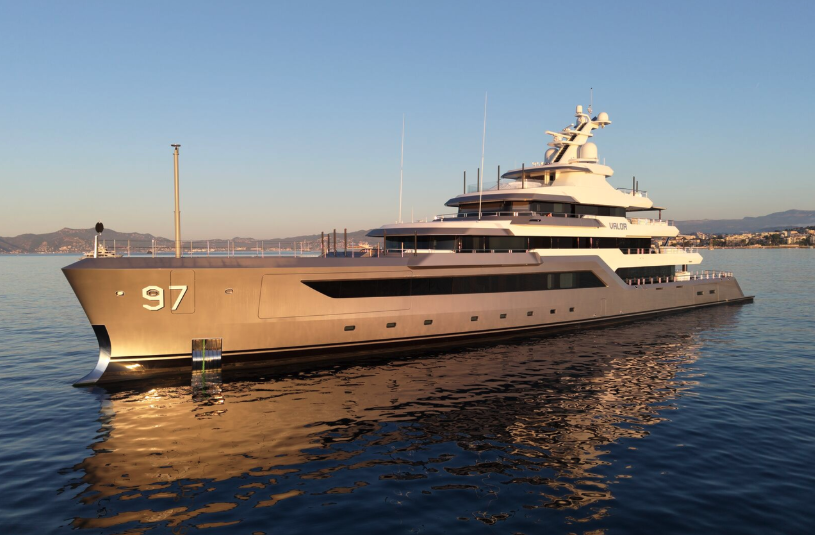
Once you cross 80 feet and run with crew, hull premium becomes only one piece. Protection & Indemnity (P&I), crew medical, and employer liability can equal or exceed the hull line item. In 2025, a typical 100–130ft yacht might see:
Hull & machinery: 0.8%–1.2% of value in the Med: 1.2%–1.6% in Florida/Caribbean.
P&I: often $25,000–$120,000+ depending on guest use, waters, and claims history.
Crew medical/employer liability: $10,000–$60,000+ depending on headcount and coverage limits.
Adhering to frameworks like Cayman Registry Mini-ISM guidance helps demonstrate a well-documented safety culture. So does a professional captain with time on type and clean incident logs. I’ve watched two 100-footers, same yard and year, land 20% apart on total premium because one boat’s crew procedures and drills were immaculate, and provable.
The Geography Factor: How Region Changes Your Premium
The “Named Windstorm” Zone: Florida & Caribbean Pricing Realities
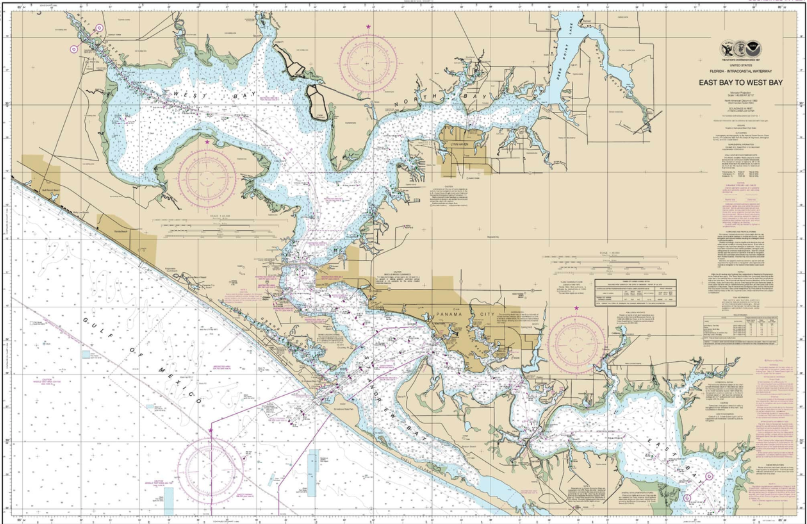
Florida and the Caribbean carry higher baseline rates and special deductibles. In 2025, I’m seeing named‑windstorm deductibles at 5–10% of hull value, separate from the standard deductible. Underwriters also increasingly require:
A written storm plan (haul‑out or hurricane-rated berth)
Proof of reservation at a designated facility during season
Tracking/monitoring and emergency contacts
If you can summer the boat north of Hatteras or lift out in a rated facility, premiums usually ease. Shortening the hurricane-season window in your navigation limits can shave meaningful cost.
The Mediterranean Discount: Why Europe Often Costs Less
The Med often prices 10–25% below Florida for the same boat. Fewer named storms, more protected basins, and dense service networks reduce loss severity. Spanish Balearics, South of France, and parts of Italy typically enjoy lower windstorm deductibles and smoother claims logistics. Do note: certain Eastern Med areas or transits through the Suez/Gulf change the calculus. And if you declare Atlantic crossings or winter in the Canaries, expect an adjustment.
The “Uninsurables”: Red Flags That Spike Yacht Insurance Costs
Captain Experience: Why Your Resume Matters More Than Your Credit Score
For owner-operators, your boating resume is underwriting gold. Recent hours, time on similar size and propulsion, formal training (such as RYA Yachtmaster Offshore exam requirements or USCG licenses), and named-crew endorsements can move a quote from “decline” to “approved.”
The hour band where I ask buyers to slow down is 65–75ft with high-torque diesels and limited big‑boat time: that’s where the handling delta shows up. A paid delivery with a seasoned captain during your first season can materially help your profile, and some carriers ask for it.
Vessel Age & Survey Risks: The Difficulty of Insuring Older Hulls
After ~20 years, many yachts face tighter underwriting. Insurers lean on a current out‑of‑water survey and may require remedial items before binding. Typical friction points I saw repeatedly last year:
Original fuel hoses and dated wiring looms
Osmosis or core moisture near through‑hulls
Legacy electronics without AIS or modern alarms
None are dealbreakers if corrected with invoices and photos. But if a boat shows deferred maintenance across systems, carriers either surcharge or walk. Clean, recent refit documentation is the difference between 1.1% and “come back next season.”
Insider Tactics: Optimizing Your Policy Structure
The Deductible Math: Are You Insuring for Scratches or Catastrophes?
In 2025, I’m nudging clients toward higher standard deductibles (1–2% of hull) and accepting that named‑windstorm deductibles will be larger anyway. It’s pragmatic: insure the catastrophic, self‑fund the cosmetic. Ask your broker to model three scenarios, standard 1%, elevated 2%, and a windstorm-specific 5–10%, and show the annual savings. Often, moving from a $10k to $25k standard deductible saves enough to make sense over a few clean years.
Check sublimits: tenders, toys, personal effects, and electronics. If you’ve added a second tender or a new gyro, update the schedule: under‑declared gear is an avoidable claims headache.
Defining Your Playground: The High Cost of “Just in Case” Navigation Areas
Broad “worldwide” or “Caribbean year‑round” navigation limits sound freeing, but you pay for waters you won’t use. I prefer precise, seasonal navigation areas: Med West May–October: lay‑up November–April. Or East Coast Maine to Charleston with a named‑storm haul‑out requirement. Trim the map to your real itinerary, and premiums often follow.
Two more quiet savers I’ve seen work: documented storm‑season haul‑out discounts and proof of professional captain onboarding after a new purchase. Both tell underwriters you manage risk deliberately, because you do.