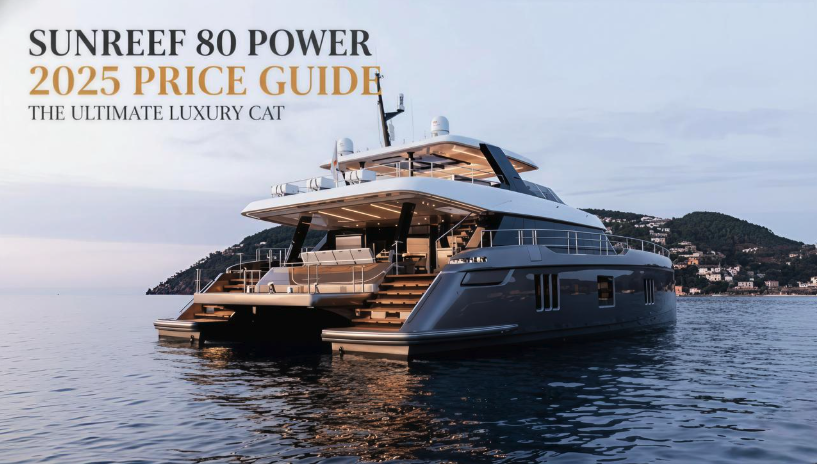
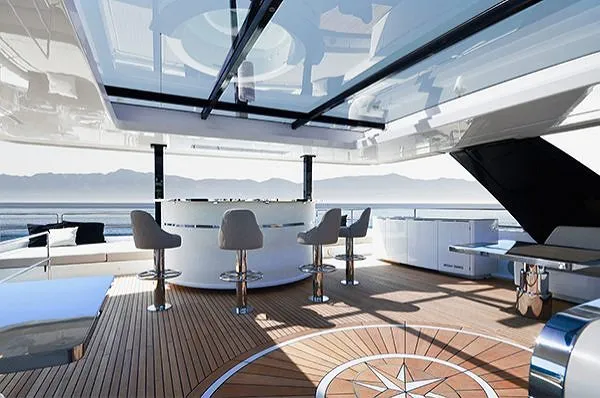
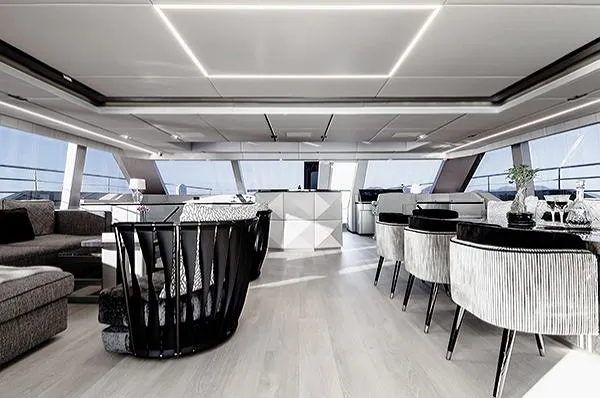
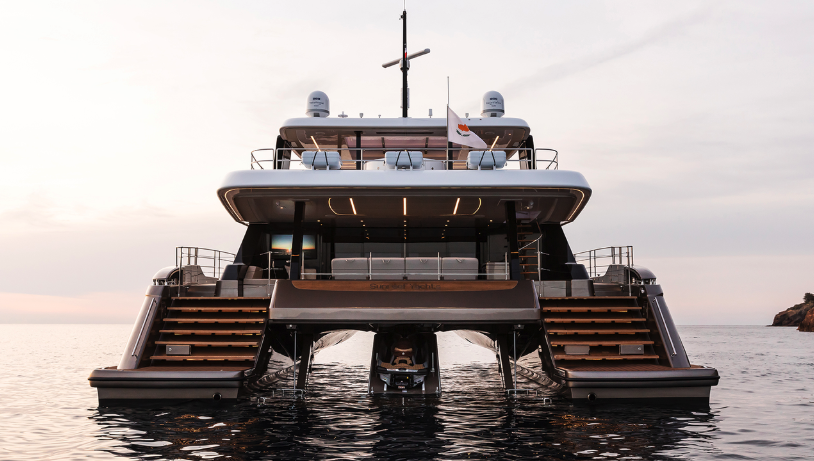
Last month, while comparing two similar-spec Sunreef 80 Power units—one docked in Fort Lauderdale, the other anchored near Ibiza—I caught myself doing the math twice. Both were 2022 builds with comparable hours, yet the price delta sat at nearly €1.1M. The difference wasn’t arbitrary. It lived in the layers most buyers overlook: stabilizer type, lithium bank capacity, acoustic insulation packages, and a hotel-load electrical system designed for silent nights at anchor. Understanding the Sunreef 80 Power pricing structure means unpacking these details methodically, so let’s walk through it together.
Sunreef 80 Power Base Price vs Final Cost
Base pricing for a new Sunreef 80 Power typically starts around €10.0 million before customization begins. Most completed builds settle between €9.5M and €12.5M once you layer in appropriately sized generators, upgraded navigation electronics, stabilization systems, premium cabinetry, and the tender package. Highly bespoke specifications—particularly those incorporating hybrid battery systems, advanced sound insulation, and refined interior materials—often reach €13M–€15M.
On the brokerage side, 2020–2024 builds generally list between €7.0M and €11.5M, with final pricing shaped by engine hours, specification depth, and regional positioning. U.S.-flagged vessels with EPA-compliant powertrains and duty-paid status typically command premiums. Mediterranean inventory often presents stronger cosmetic condition mid-season, though charter wear deserves careful scrutiny. Caribbean-based listings can price attractively in late spring as owners plan around hurricane season. Asia-Pacific listings remain less common and require factoring logistics costs—survey travel, parts availability, delivery expenses—into your total acquisition budget.
Currency matters more than many buyers expect. Sunreef quotes frequently reference euros, while brokers serving U.S. clients often convert to dollars. Exchange rate fluctuations alone can shift values by six figures, which is why I keep both currencies on the same spreadsheet during negotiations.
What Drives the Sunreef 80 Price?
Three primary factors set pricing for both new builds and resales: specification depth (stabilization, powertrain, hotel systems), interior finish complexity, and documented maintenance history. Regional demand patterns and tax status follow closely behind.
Year and engineering evolution: Earlier 80 Power units predated some of the refined insulation packages and updated machinery layouts. Newer builds benefit from incremental improvements—better air-conditioning zoning, refined electrical distribution, and enhanced sound attenuation around generator sets. If you’re sensitive to noise levels at cruising speeds around 12–14 knots, later model years deliver consistently better results.
Stabilization systems: Gyro installations like Seakeeper units or traditional fin systems add €150k–€300k to build cost and meaningfully affect resale appeal. In real sea conditions, a well-tuned stabilization system shortens the decision gap for buyers transitioning from large monohulls to power catamarans.
Electrical architecture and hotel load: Lithium battery banks, quiet-night operational modes, and upgraded inverter systems transform life at anchor and typically push asking prices up by €200k–€400k over basic AGM setups with standard generators. Charter-focused boats with redundant systems price stronger because downtime directly impacts revenue.
Tender and water toys: A Williams jet tender or equivalent, PWC storage solutions, and hydraulic crane systems can add €60k–€150k. Not glamorous on a specification sheet, but buyers notice the difference immediately.
Fit-out quality and interior materials: Sunreef’s joinery is a key selling point. High-grade veneers, solid edge treatments on high-traffic corners, lightweight stone with honeycomb backing—these are cost multipliers. A restrained, well-lit interior using durable fabrics ages better than stark white minimalism that shows every wear mark.
Engine hours and service documentation: The 500–1,200 hour range is where service history either builds confidence or raises questions. MAN V8-1200 engines handle this range easily, but how the boat was operated and maintained reveals itself in pumps, chillers, seals, and the small systems that set the tone for a survey.
Regional market dynamics: The Mediterranean typically offers the widest selection and competitive mid-season pricing. The U.S. market reflects duty costs, logistics ease, and survey familiarity. Asia-Pacific can reward patient buyers with lightly used, well-equipped examples, though transport planning and local service networks deserve sober cost analysis.
Customization & Luxury Options
Customization is where Sunreef 80 pricing truly diverges. Several line items consistently move numbers most significantly:
Acoustic upgrades: €80k–€180k for additional insulation, floating floor systems, and isolation mounts. You experience the difference in cabin sleep quality.
Stabilization systems: €150k–€300k depending on gyro size or fin configuration and integration complexity.
Energy package: €200k–€500k for lithium systems, high-capacity chargers and inverters, solar integration, and quiet operational modes.
Navigation and entertainment systems: €100k–€250k for premium radar arrays, FLIR systems, and integrated media platforms.
Interior surface upgrades: €150k–€400k when stepping up to premium veneers, stone selections, and custom furniture pieces.
None of these qualify as essential, but the right combination elevates daily experience and strengthens resale positioning.
Annual Running Costs & Charter Income Projections
For an 80-foot power catamaran, I budget 8%–12% of asset value annually. On a €10M boat, that translates to roughly €800k–€1.2M per year. Typical expense categories:
Crew compensation: €220k–€360k for a professional captain, stewardess, and deck/engineer (3–4 crew depending on operational intensity).
Maintenance and spares: €120k–€220k in a standard year; plan to double that during refit cycles.
Insurance: €45k–€90k depending on region and claims history.
Fuel consumption: At 10–14 knots, many Sunreef 80 Power units run efficiently, but budget €60k–€150k depending on usage patterns and itinerary planning.
Charter economics: In Mediterranean and Caribbean markets, a well-presented Sunreef 80 Power typically commands €110k–€160k per week plus expenses under MYBA terms. A 6–8 week season can gross €660k–€1.28M. After brokerage commission, variable costs, and incremental wear considerations, owners often net 40%–55% of gross revenue toward offsetting operational expenses. The key is professional management and disciplined maintenance—cheapening the program typically surfaces in survey findings and resale negotiations.
I’ve observed three 2021–2023 units operating in Palma and Naples this past summer, each running 7-week seasons with strong repeat clientele. The common thread wasn’t marble countertops or mood lighting—it was quiet cabins, chilled-water systems maintaining temperature through August heat, and crew spaces that actually function during extended charters.
Market Position & Resale Value
The power catamaran segment continues showing robust demand, with the Sunreef 80 Power occupying a distinctive market position: genuine volume, apartment-style living space, and efficient medium-speed range. Against competitors like Lagoon Sixty 7 and Seventy 8, Horizon power catamarans, and custom builds, Sunreef trades on craftsmanship and custom interior capabilities rather than pure production scale.
Depreciation patterns: Early-year depreciation typically runs approximately 10%–15% over the first two years, then moderates to roughly 5%–8% annually when the boat maintains strong condition and options align with market preferences (stabilization, energy systems, neutral interior palettes). Limited build slots and brand momentum have supported values better than many monohull peers.
Resale factors that matter most:
Year and acoustic refinement: Later insulation packages and vibration control become audible during sea trials.
Stabilization: A non-negotiable for many buyers; absence creates a pricing penalty.
Electrical autonomy: Lithium and solar systems aren’t merely “green”—they reduce generator hours and cabin noise levels.
Neutral, high-quality interior: Avoids taste risk and immediate refresh costs.
Compliance and documentation: VAT status in the EU, U.S. duty-paid status, and clean service records shorten time on market.
For a 3–5 year ownership horizon, I prefer late-specification examples with moderate hours and comprehensive options that enhance comfort rather than one-off artistic statements. The broad market values quiet sleep, stable platforms, and intuitive systems more than a gold faucet.
Making Your Sunreef 80 Decision
When speccing new construction, start with your typical sea conditions. Choose stabilization and energy packages first, then layer interior selections. That sequence protects both the ownership experience and the Sunreef 80 price on eventual resale.
For brokerage shopping, my evaluation framework:
Prioritize later insulation and stabilizer packages: The engineering improvements are tangible.
Context matters for engine hours: The 500–1,200 hour band is where service discipline becomes visible.
Value neutral interiors and robust hotel systems: These age better than flashy material choices.
Maintain clear currency tracking: Keep euro and dollar figures transparent alongside tax and duty implications.
One principle holds consistently: acquire the quietest, best-balanced specification you can justify financially. It’s what you’ll experience at anchor, what guests remember after a week aboard, and what the next buyer recognizes within five minutes of a sea trial.