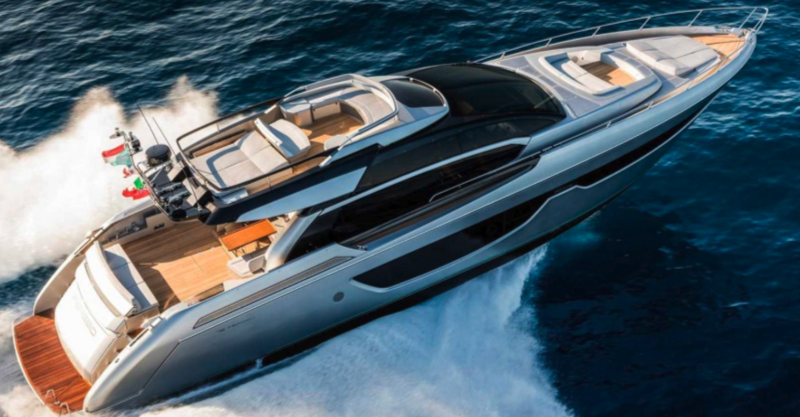
Last month, I found myself comparing Riva 76 Perseo Super listings across different regions when something made me stop—the price gap between a 2020 model and a 2023 wasn’t simply about age.
It was about what had quietly evolved beneath the surface: the electronics generation, the maturation of interior materials, the refined way the hull was being finished.
Grasping the true cost of a Riva 76 means looking beyond the year badge and into what each iteration actually offers.
Riva 76 Perseo Super Price Overview (2025)
The Riva 76 Perseo Super typically sits between $4.8 million and $6.2 million for new builds in 2025, depending on configuration and optional packages.
This places it firmly in the luxury sport yacht segment, where Italian craftsmanship meets performance-oriented design. Built at Riva’s La Spezia facility, which specializes in yachts from 76 to 110 feet, the Perseo Super represents the brand’s commitment to both heritage and modern engineering.
Used market listings show more variation. A 2019–2021 model generally ranges from $3.6 million to $4.5 million, while newer 2022–2023 examples hold closer to $4.8 million to $5.4 million.
What I’ve noticed is that Riva’s resale strength comes from build consistency. Even five-year-old models feel solid and well-finished. That confidence shows up in pricing—depreciation curves are gentler than many competitors in this size range.
New vs. Used Market: Understanding the Spread
A fully optioned new build can reach $6.5 million or more when you add extended swim platforms, premium audio systems, and advanced navigation packages. Base models start closer to $4.8 million, but most buyers customize significantly.
In the used market, the 2018–2020 generation represents strong value. These models typically show asking prices between $3.4 million and $4.2 million. Condition and hours matter more than calendar age—a well-maintained 2019 with 400 hours often commands a premium over a higher-hour 2021.
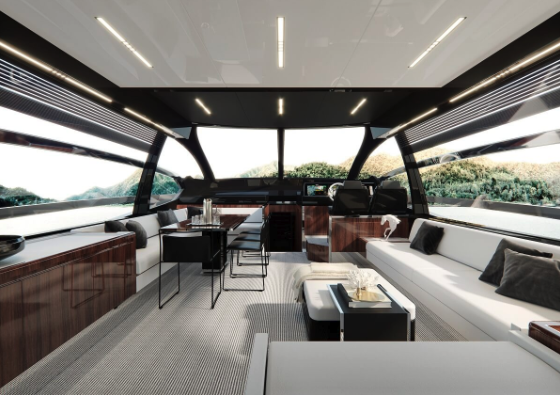
The 2021 refresh brought subtle updates: revised helm electronics, improved soundproofing in the master suite, and a redesigned bow seating layout. These changes created a natural pricing split between generations.
Annual Ownership Costs & Running Expenses
Owning a Riva 76 Perseo Super typically runs between $280,000 and $420,000 annually, depending on how actively you use the yacht and where you keep it.
This figure includes fuel, dockage, crew, insurance, and regular maintenance. It’s a significant commitment, but the costs are predictable if you plan carefully.
Fuel Consumption & Yearly Fuel Costs
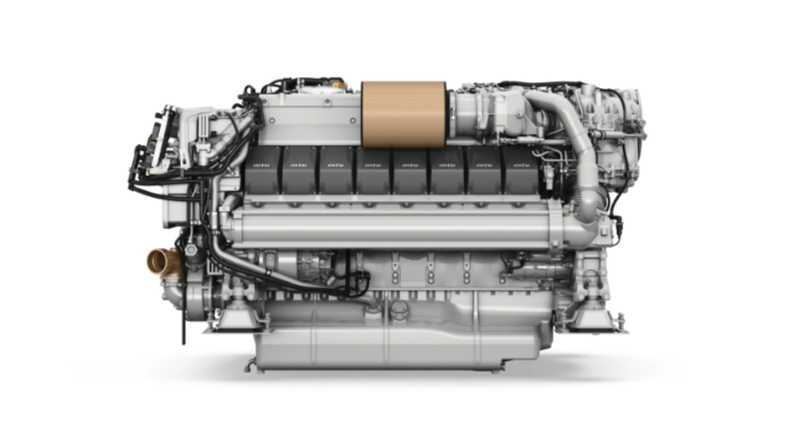
At cruise speed (around 28 knots), the Riva 76 burns approximately 90–110 gallons per hour. The yacht typically runs twin MTU diesel engines, often in the 12V 2000 series configuration, which are known for reliability and efficient power delivery in the sport yacht segment.
For owners who use the yacht 100–150 hours per year, fuel costs typically range from $45,000 to $75,000 annually, assuming fuel prices around $5 per gallon.
Fuel represents one of the more variable expenses. Mediterranean cruising, with shorter hops between ports, tends to be more efficient than long-range coastal runs.
Dockage, Berthing & Seasonal Mooring Fees
Dockage costs vary widely by region.
In the Mediterranean, prime berths in places like Porto Cervo or Saint-Tropez can run $80,000 to $150,000 for a summer season. U.S. marinas in South Florida or Newport typically charge $50,000 to $90,000 annually for a yacht this size.
Winter storage, if you’re not using the boat year-round, adds another layer. Covered storage or haul-out services generally cost $15,000 to $30,000 depending on location.
Crew Salaries, Maintenance & Insurance
Most Riva 76 owners run the yacht with a two-person crew—a captain and a deckhand or stewardess. Annual crew costs, including salaries, benefits, and travel, typically sit between $120,000 and $180,000.
Routine maintenance—engine servicing, bottom paint, systems checks—usually runs $35,000 to $60,000 per year. Insurance generally costs 1–1.5% of the yacht’s insured value, or roughly $50,000 to $80,000 annually for a $5 million yacht.
These numbers feel significant, but they’re in line with what you’d expect for a yacht of this caliber. According to industry operating cost analysis, operating costs for yachts in this size range typically run 10–15% of the vessel’s value per year.
What Drives Riva 76 Market Value?
Not all Riva 76 models hold value the same way. Several factors influence how a yacht is priced on the resale market, and understanding them helps you recognize a strong listing when you see one.
Model Year Differences & Generation Updates
Riva introduced the 76 Perseo in 2017, and the model has seen incremental improvements each year. The 2021 update brought the most noticeable changes—refined helm ergonomics, updated Garmin navigation systems, and improved cabin insulation.
Pre-2021 models feel classic and proven. Post-2021 models feel more contemporary. Both generations have their appeal, but the 2021+ versions tend to hold stronger pricing due to these refinements.
Condition, Usage Hours & Maintenance History
Engine hours tell a lot. A Riva 76 with under 500 hours typically commands a premium, especially if maintenance records are complete. Once hours climb past 800–1,000, pricing softens unless there’s documented engine refurbishment.
I’ve also noticed that yachts with consistent annual servicing—documented haul-outs, bottom jobs, and systems checks—hold value better than those with gaps in their maintenance history.
Optional Upgrades, Packages & Custom Features
Factory-installed options significantly impact resale value. Upgraded stabilizers, premium teak decking, custom galley layouts, and advanced entertainment systems can add $150,000 to $300,000 to a yacht’s market value.
Aftermarket upgrades are trickier. Quality installations hold some value, but they rarely recover their full cost at resale. Factory options are always the safer bet if you’re thinking long-term.
Riva 76 Perseo Super Resale Performance (2025 Outlook)
Riva yachts generally hold value well compared to competitors in the sport yacht segment. The brand’s reputation for craftsmanship and the timeless aesthetic of models like the Riva 76 Perseo create consistent buyer demand.
First-year depreciation typically runs 12–15%, which is gentler than many Italian sport yachts. After that, depreciation stabilizes to around 6–8% annually through years two to five. By year six, the curve flattens further, and well-maintained examples often hold steady for several years.
According to yacht market research from Grand View Research, the luxury yacht segment has shown resilient demand, with Italian builders like Riva maintaining particularly strong brand equity in both European and North American markets.
If resale stability matters to you, the 3–5 year window consistently performs best. These yachts still feel modern, they’ve absorbed the steepest depreciation, and they’re young enough to attract financing.
The 2021+ generation should hold particularly strong over the next few years as buyers increasingly seek the updated electronics and improved soundproofing those models offer.
Technical Considerations: Understanding the Build
From a construction perspective, the Riva 76 Perseo Super benefits from the Ferretti Group’s engineering capabilities, which purchased Riva in 2000 and brought substantial technical resources to the brand.
The hull uses advanced composite materials with careful attention to weight distribution, which translates to the yacht’s sporty handling characteristics. The 2021+ models incorporated refined noise insulation materials in the master suite, addressing one of the few criticisms of earlier generations.
Engine options typically center on MTU’s Series 2000 marine diesels, which provide power outputs ranging from 1,200 to 1,600 horsepower depending on configuration. These engines are known for strong mid-range torque and relatively quiet operation at cruise speeds.
The yacht’s systems—from stabilizers to electronics—reflect generational improvements that matter more than many buyers initially realize. A 2020+ model will typically have more refined Garmin navigation integration and updated stabilizer algorithms compared to earlier years, and those differences show up in both comfort and long-term serviceability.
Finding the Right Riva 76 for Your Needs
Pricing a specific Riva 76 Perseo Super requires looking at the details—year, hours, options, maintenance history, and current market conditions.
If you’re considering a purchase, focus on yachts with complete maintenance documentation, moderate engine hours (ideally under 500 for models 3–5 years old), and clear upgrade histories. These elements will give you the strongest foundation for both ownership experience and future resale value.
Every yacht has its own story, and understanding that story helps you see the real value beyond the asking price. The Riva 76 Perseo Super represents Italian craftsmanship at its finest—when you find the right example, you’re not just buying a yacht, you’re investing in a legacy that dates back to 1842.
If you want to keep cruising, here are a few earlier posts worth sailing back to.